European Realities
Realism movements of the 1920s and 1930s in Europe


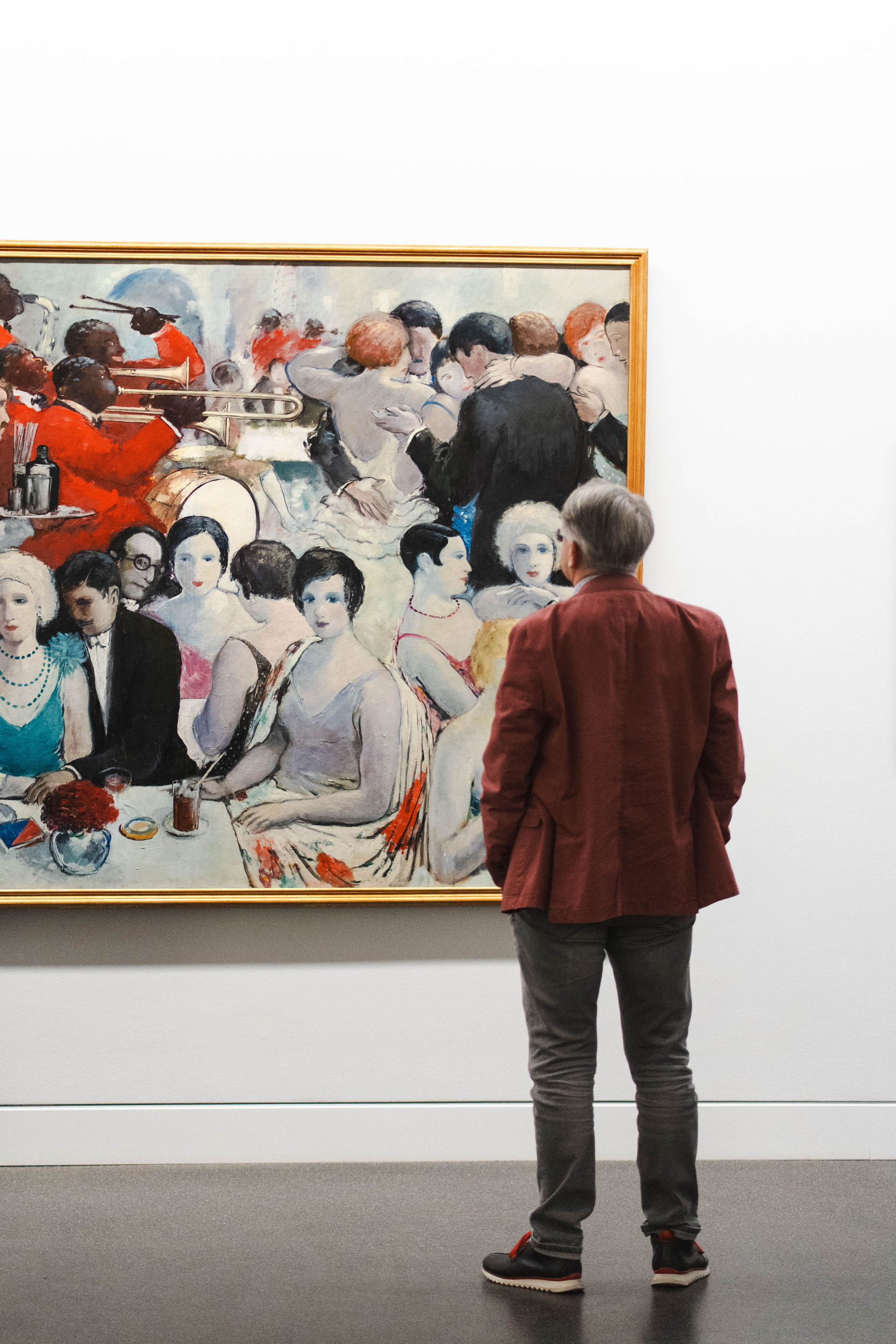
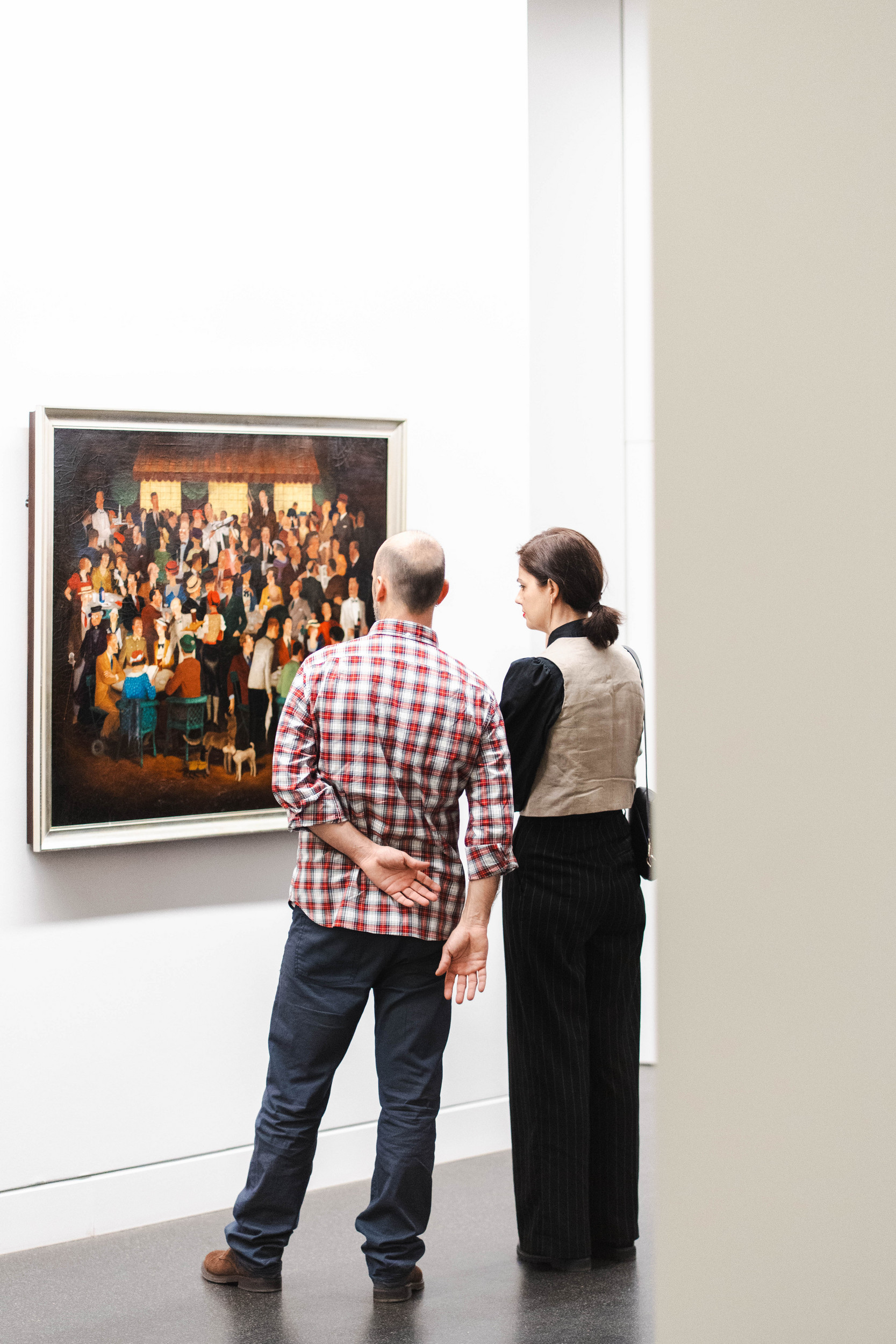
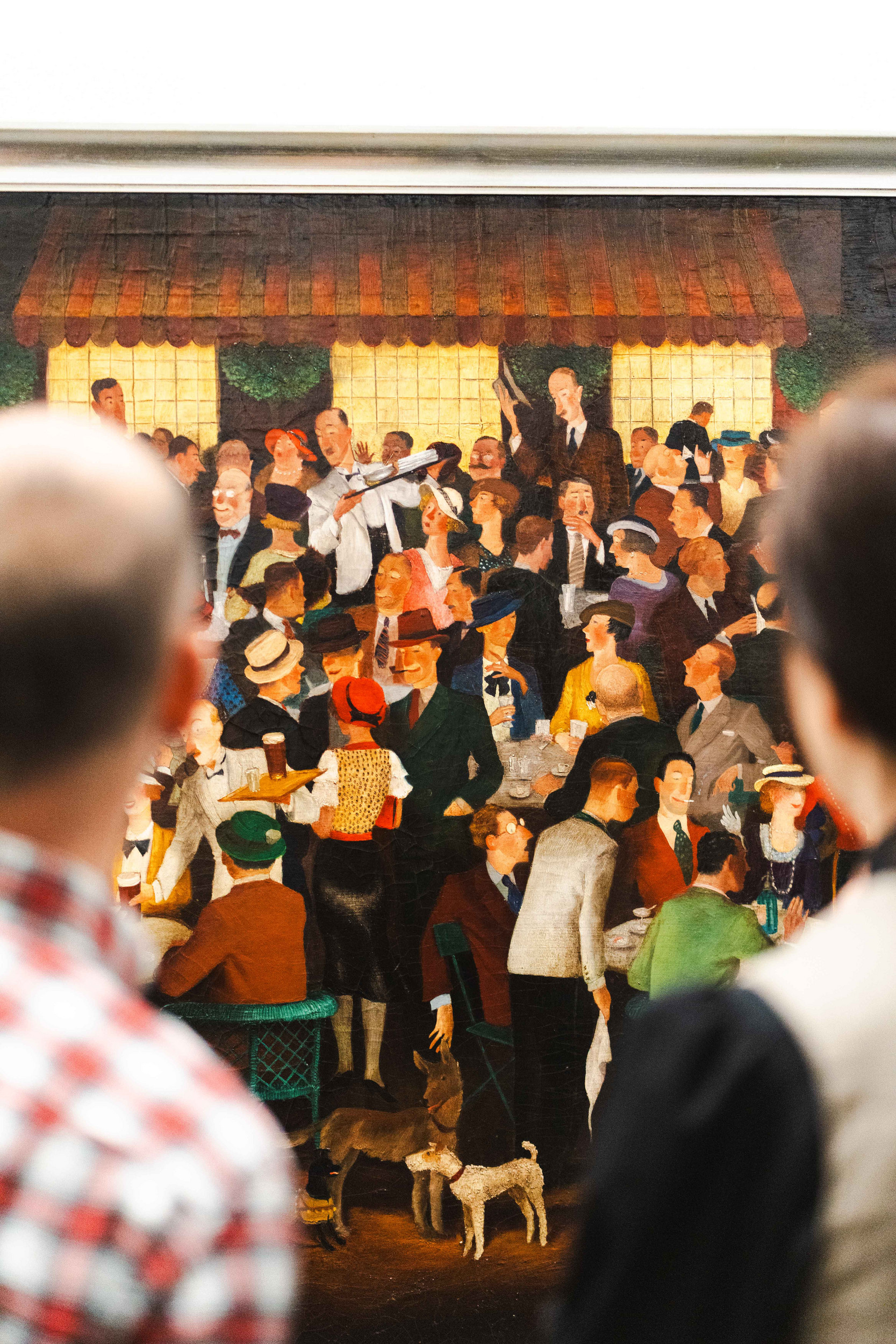
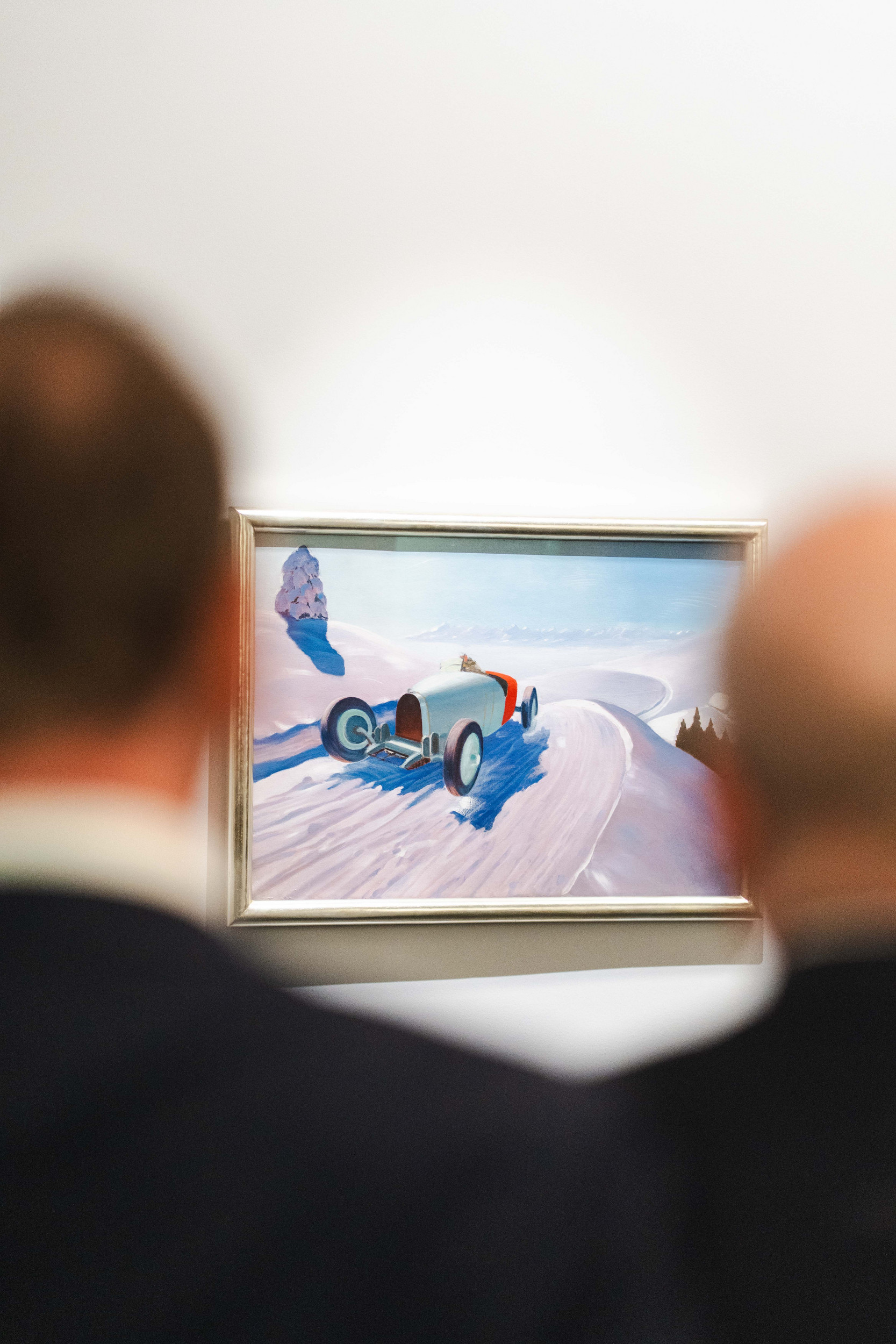
Corona, the energy crisis, inflation, populism and the rise of nationalist tendencies - this is how the 2020s began. A devastating world war, the Spanish flu, the global economic crisis, National Socialism - these were the 1920s. For the first time, the Kunstsammlungen Chemnitz brought together the realist movements of the 1920s and 1930s as a pan-European movement in one exhibition. A world that had come apart at the seams found its artistic expression in art that emphasised reality. The existential fears of poverty, hunger, illness and social decline became clear. The threat to the ideals of the 20th century, such as the belief in progress, could already be sensed. The exhibition linked the themes of that time with today's socio-political present and thus posed the question of new visions for the future.
When: 27 April to 10 August 2025
Where? Chemnitz, Gunzenhauser Museum