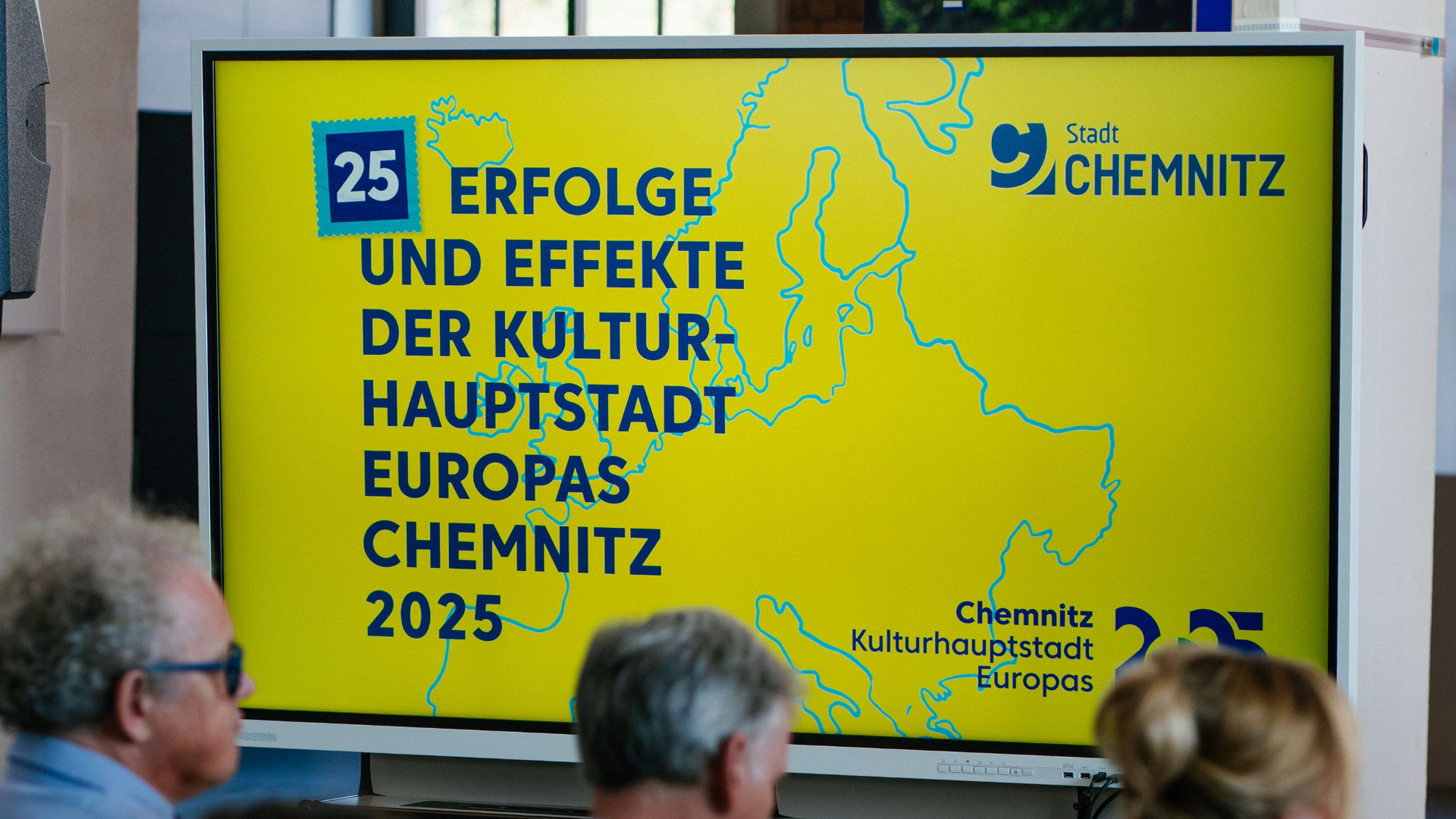
New brochure documents the successes and impact of the Capital of Culture year

Photo: Natalie Bleyl

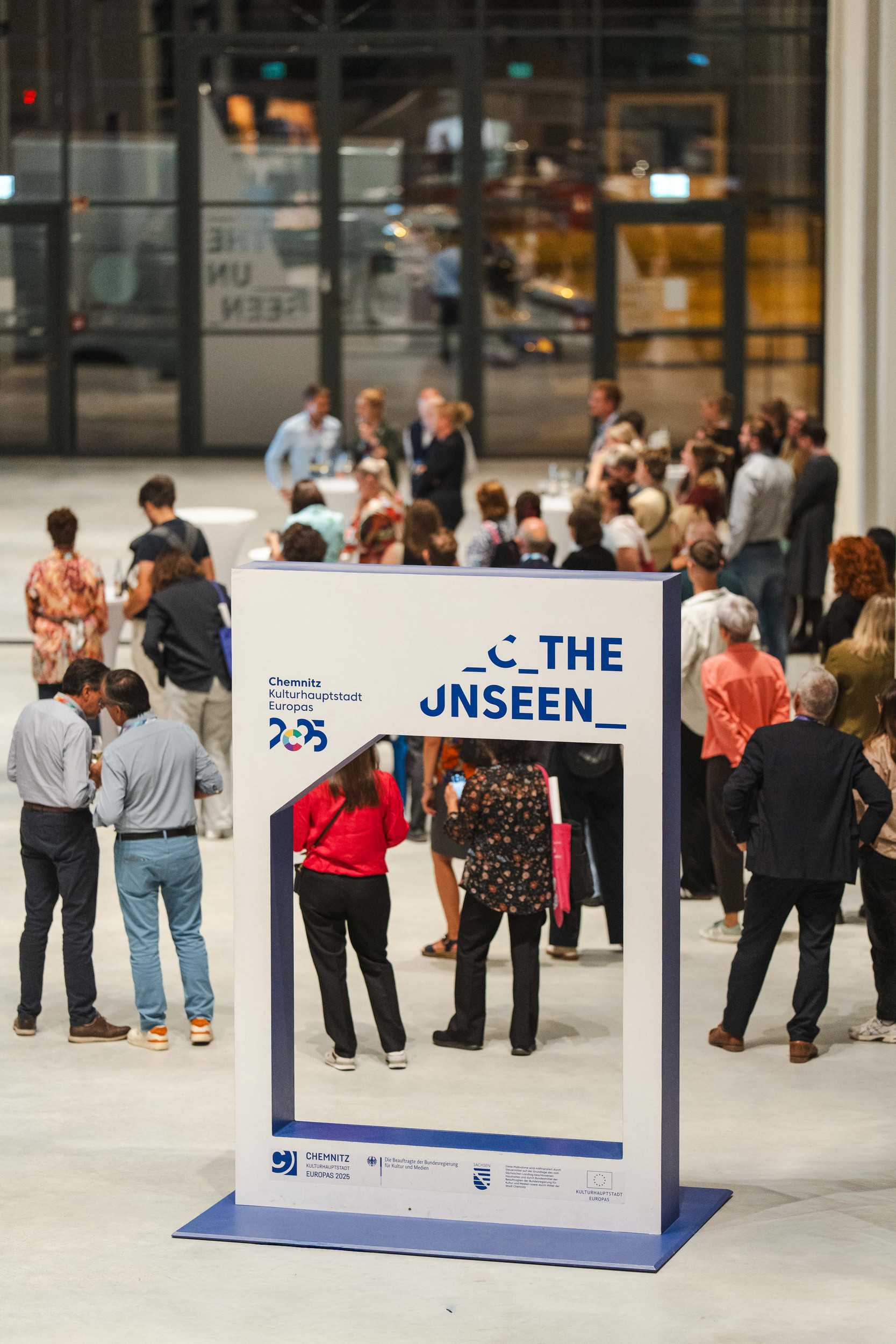
Chemnitz, the European Capital of Culture 2025, has reached around 3.5 million people, thereby significantly exceeding its original target of two million visitors. A new brochure published by the City of Chemnitz, entitled ‘25 Achievements and Impacts of Chemnitz 2025 – European Capital of Culture’, summarises the key outcomes of the title year and documents them on the basis of event data, academic analyses and statistical surveys. The findings highlight impacts in the areas of culture, tourism, urban development, public participation, European cooperation and social cohesion.

→ Download the brochure

Success across the entire cultural landscape

The increase in visitor numbers was not limited to individual major events. Museums, theatres and exhibitions reached new target groups and were each able to significantly expand their reach. A wide range of institutions benefited, from large museums to specialised exhibitions. Whilst low-threshold event formats attracted younger people in particular, exhibitions and curated programmes appealed more strongly to an older audience.

European Capital of Culture mobilised additional investment

Chemnitz 2025, European Capital of Culture, acted as a catalyst for additional public investment. Since the start of the bid process in 2017, the organisers have mobilised a total of more than 115 million euros for the project. This was based on the funding agreement concluded in 2021 between the City of Chemnitz, the Free State of Saxony and the Federal Government. As the project developed, the budget was increased by more than 47 million euros. This was achieved through additional funding from the City of Chemnitz, the Free State of Saxony and the federal government, as well as specialist funding programmes from the European Union, the federal government and the Free State of Saxony, and the European Commission’s Melina Mercouri Prize, worth 1.5 million euros. Around 60 million euros of the total budget was channelled into the development of the intervention areas, the urban development project for Chemnitz 2025, European Capital of Culture.

Record tourism and economic boost

The European Capital of Culture year led to the highest level of tourism in the history of the city of Chemnitz. Compared with the previous year, visitor arrivals rose by 22 per cent and overnight stays by 24 per cent.

For the first time, the brochure takes into account not only the official tourism statistics but also smaller accommodation providers and private accommodation, based on data from the municipal accommodation tax. This provides a significantly more comprehensive picture of the actual volume of tourism, with a total of around 370,000 overnight guests and approximately 743,000 overnight stays.

Analyses by the payment service provider Mastercard also highlight the economic impact of the Capital of Culture year. Tourist spending rose significantly, particularly among leisure tourists. At the same time, the data shows that for every overnight guest, there were around four day visitors. This benefited, amongst others, the hospitality sector, retail and other tourist attractions.

Interest in the city itself also increased significantly. The number of participants on guided tours organised by the Tourist Information Office rose to 36,599 in 2025, reaching a new record high. By way of comparison: in 2019, the pre-pandemic year, 11,710 people took part in guided tours.

Participation as a strength of the Capital of Culture

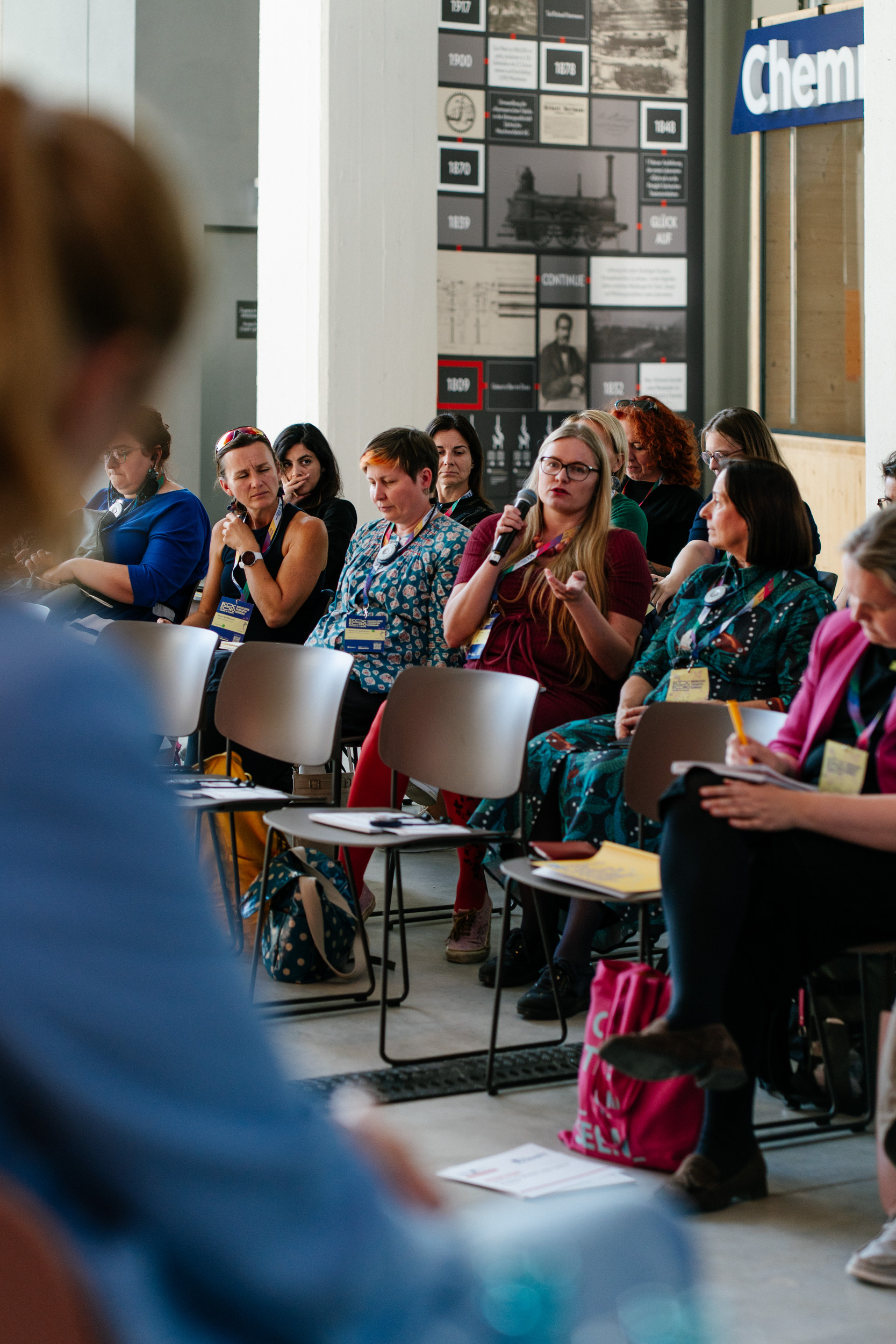
Chemnitz 2025 was underpinned by broad participation from the city, the region and across Europe. A total of 731 organisations contributed to the programme, including 233 international partners. Around 10,000 people took an active part in projects. They were supported by more than 1,300 volunteers.


Since 2017, 248 micro-projects by local stakeholders have received funding. In addition, there were 119 EUJA! initiative projects. In the CREATE.U youth programme, 81 young people got involved as independent cultural creators.

Study by Chemnitz University of Technology demonstrates social impact

The accompanying academic research carried out by Chemnitz University of Technology shows that the European Capital of Culture year had a social impact beyond the cultural offerings themselves. Public surveys conducted in 2024 and 2025 reveal a significantly more positive assessment of the European Capital of Culture and its events. There was a particularly sharp rise in agreement with the statement that it is a good thing that Chemnitz became the European Capital of Culture.

At the same time, people in Chemnitz and the Capital of Culture region rated social cohesion in 2025 significantly more positively than in the previous year. Life satisfaction has also risen. The decline in perceptions of political self-efficacy and civic participation was, on the whole, less pronounced than in Saxony as a whole.

The analyses also show that visitors to the Capital of Culture programme perceive social cohesion more strongly than people who did not attend any events. 

The city’s image has also changed. The ongoing visitor surveys conducted by Chemnitz University of Technology show that the image of Chemnitz and the Capital of Culture region improved steadily throughout the year it held the title, reaching its highest recorded level by the end of the year.

Europe as a defining element of the programme

The European dimension shaped the programme of Chemnitz 2025, European Capital of Culture. More than 100 projects addressed European themes: from democracy and post-industrial transformation to migration. Of the approximately 731 organisations involved, 233 were from abroad. The analysis of the Chemnitz Monitor by Chemnitz University of Technology also shows that people who attended Chemnitz 2025 events identify more strongly with Europe than those who did not take part in the programme.

Chemnitz comes into the international spotlight

Chemnitz’s media presence increased significantly during its year as European Capital of Culture. Around 24,000 press mentions were recorded worldwide, including some 2,150 in-depth reports on Chemnitz 2025. Around 300 international journalists reported on the Capital of Culture year from the ground. The Chemnitz 2025 social media channels were viewed more than 90 million times.

Methodology

This brochure brings together the key figures and findings from the year Chemnitz was European Capital of Culture. It is based on event data, surveys and statistical analyses with data current as of April 2026. The data was processed by Ulrich Weiser of the FOG Institute and the European Capital of Culture Chemnitz 2025 gGmbH. The Technical University of Chemnitz, under the leadership of Prof. Dr Jochen Mayerl, is responsible for the scientific impact assessment. The final evaluation of the Capital of Culture year is scheduled for 2027.

City of Chemnitz The Federal Government Commissioner for Culture and Media Free State of Saxony European Capital of Culture

This project is cofinanced by tax funds on the basis of the parliamentary budget of the state of Saxony and by federal funds from the Beauftragter der Bundesregierung für Kultur und Medien (Federal Government Commissioner for Culture and Media), as well as funds from the City of Chemnitz.