Duration: 2 h
Information: In German, Chinese and English with German and English surtitles
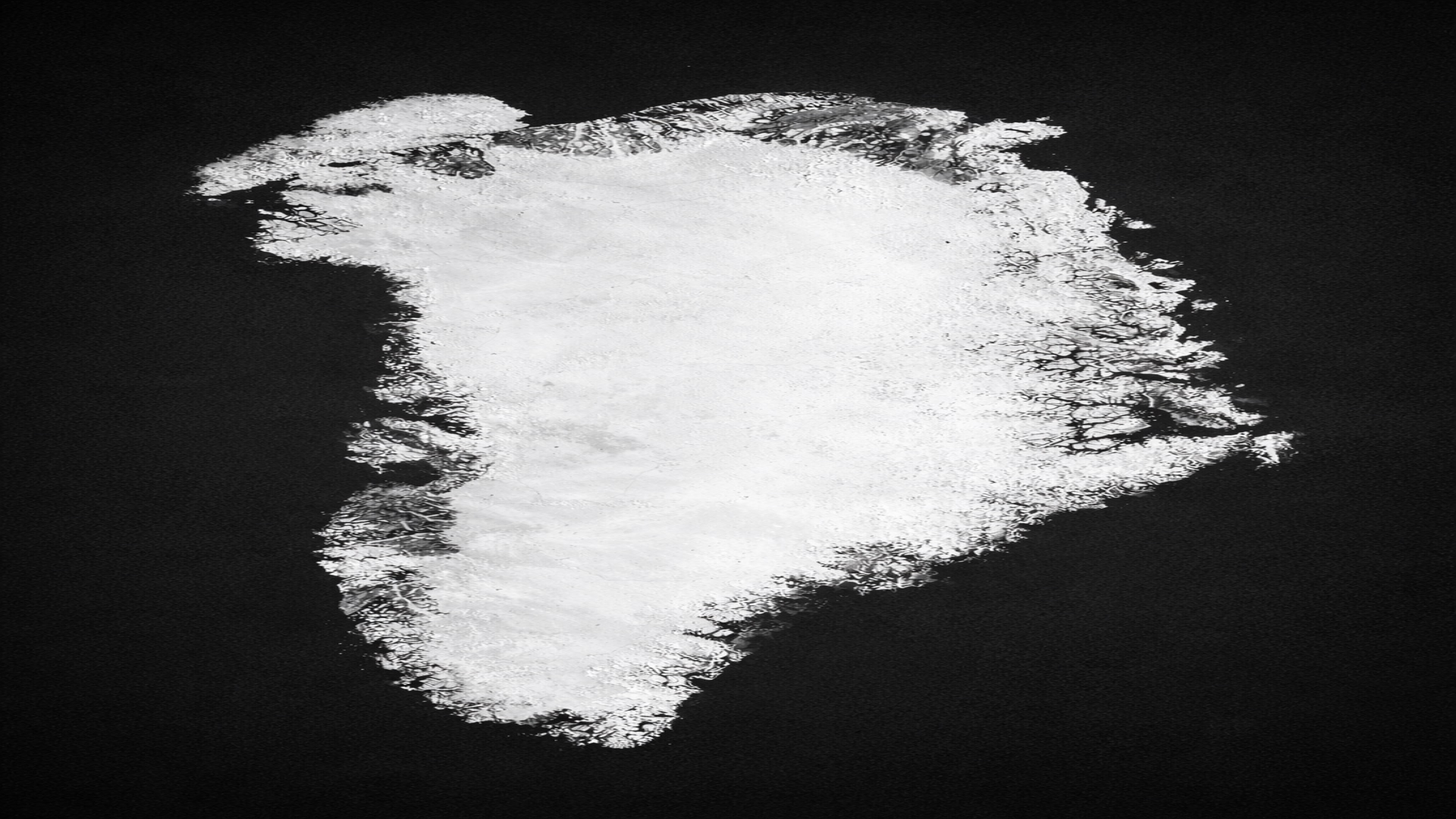
China’s ascent is redefining Asia, and with it, Europe. Is the West ern-dominated world order under threat? Will a conflict in Eurasia constitute the world’s ‘last great war’? We seem to be hovering in a state of limbo. A hundred years ago, Alfred Döblin described these conditions in his futur istic novel ‘Berge Meere und Giganten’ (‘Mountains Oceans and Giants’), as ‘Tatsachenphantasie’ (factual fantasy): a relentless chain of climate catastro phes and continental drift, as well as crises, pandemics, and global econom ic crises. In 1924, Döblin offered a vision of a war between Europe and Asia and Europe’s great exodus to Greenland. The Chinese-German Paper Tiger Theater Studio has adapted this mate rial for the stage in a production whose world premiere takes place at the THEATER DER WELT festival. Sparking curiosity about a realm of images and sounds, the performance promises a great deal of movement as well as a narrative that is at once astonishingly simple and sensorial. The ensemble of artists exists between worlds, in that their productions are created through constant exchange between German and Chinese histories and stories.
From 18 June to 5 July 2026, Chemnitz will be in the international spotlight: Germany's largest international theatre festival "Theatre of the World" is coming to Chemnitz - directly following the Capital of Culture year 2025. For three weeks, Chemnitz will become a meeting place for artists, spectators and theatre enthusiasts from all over the world. A lively celebration of the performing arts will take place on stages, in urban spaces and in unusual locations, overcoming borders and bringing together stories from all over the world.
Nine international curators from Australia, Canada, Colombia, Argentina, South Africa, Greece, Jordan, India, Senegal and China are responsible for the festival programme. They will meet in Chemnitz in November to select around 40 outstanding productions - works that they have previously viewed in their regions. The result is an inspiring panorama of current theatre forms, languages and perspectives.