Exhibition Main programme German

Blind Art Date - Art & getting to know each other
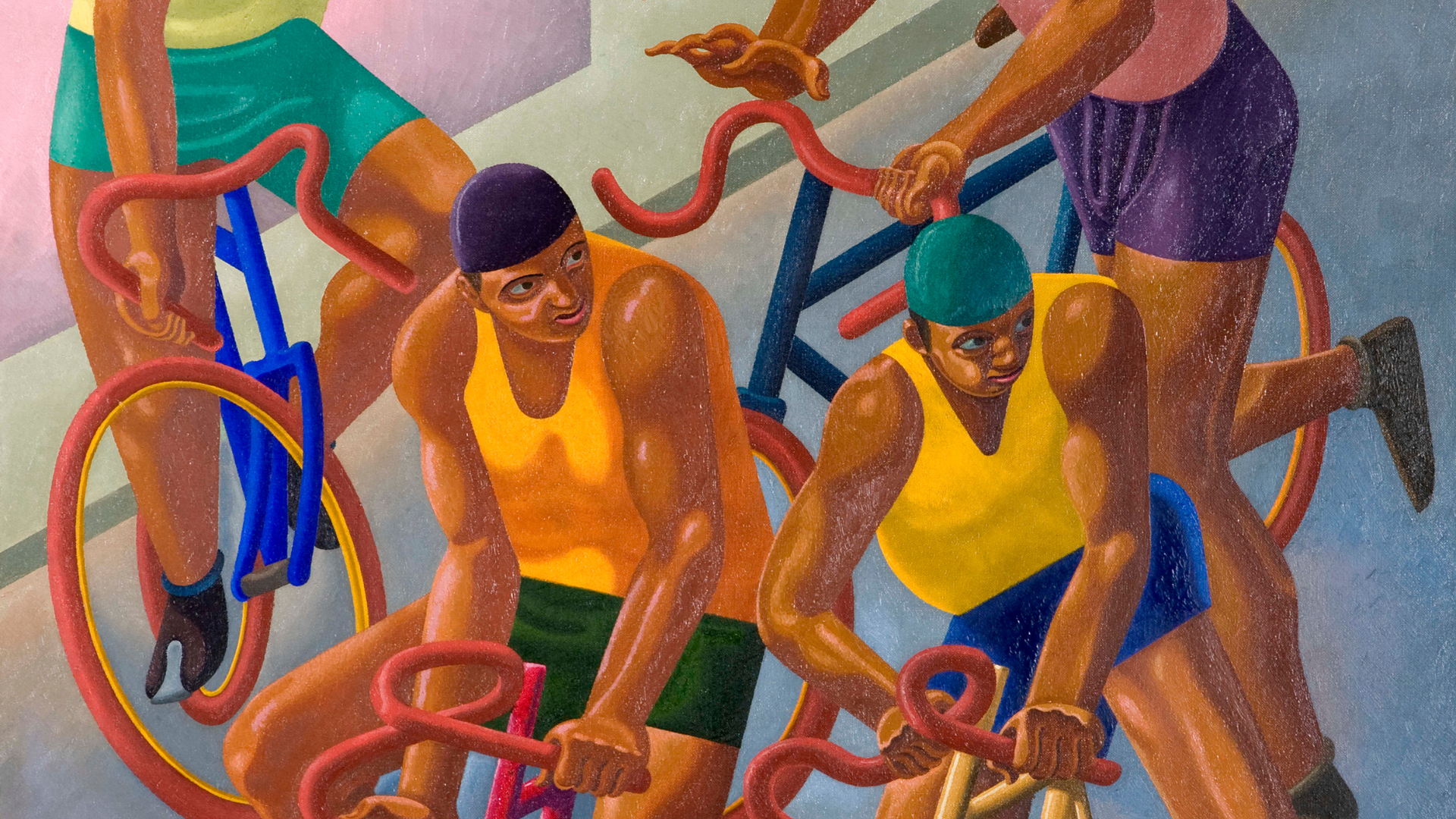
[Translate to Englisch:] William Roberts, Les Routiers, um 1931, Öl auf Leinwand, Courtesy of Board of Trustees of National Museums Northern Ireland ©️ Estate of John David Roberts. By permission of the Treasury Solicitor, Ulster Museum Collection

Event information

Date & Time

Location

Chemnitz, Museum Gunzenhauser

New to the city or simply keen to meet new people? Interested in art, but no company for a museum visit? The Blind Art Date at the Kunstsammlungen Chemnitz offers the perfect opportunity.

This special format allows you to immerse yourself in an exciting art world and experience an inspiring short tour of the current exhibition. The Blind Art Date turns the museum space into a meeting place where you can talk to other people interested in art - in a relaxed atmosphere and without any pressure.

After the tour, participants can continue chatting and making new contacts in a relaxed atmosphere with a free drink and music in the foyer. Perfect for anyone who is open to new things and wants to share their enthusiasm for art!

more information

European Realities

The exhibition project European Realities at the Gunzenhauser Museum includes positions from various European countries, in particular from Northern, Eastern and South-Eastern Europe. The diverse realist movements that were visible almost everywhere in Europe in the 1920s and 1930s are shown on an up to now unique scale. The exhibition tells of hunger and misery, of the modernisation of industry, reports on the economic upswing and cultural prosperity, of technical progress, the big city and nightlife, emancipation and diversity. The exhibition is part of the main programme of the European Capital of Culture Chemnitz 2025.

European Capital of Culture The Federal Government Commissioner for Culture and Media Free State of Saxony European Capital of Culture

This project is cofinanced by tax funds on the basis of the parliamentary budget of the state of Saxony and by federal funds from the Beauftragter der Bundesregierung für Kultur und Medien (Federal Government Commissioner for Culture and Media), as well as funds from the City of Chemnitz.