Location
Chemnitz, Kulturhaus Arthur e.V.
Garages at the Kulturhaus Arthur, Hohe Straße 33, 09112 Chemnitz
On 5 September 2026, the garages will be transformed into vibrant spaces of sound. What would otherwise remain unremarkable will, on this day, become a stage and a meeting place for people from the neighbourhood. The ‘GaragenKonzert’ project brings to light what often remains hidden in everyday life: the creative potential of the artists, the diversity of musical expression and the power of collective creativity.
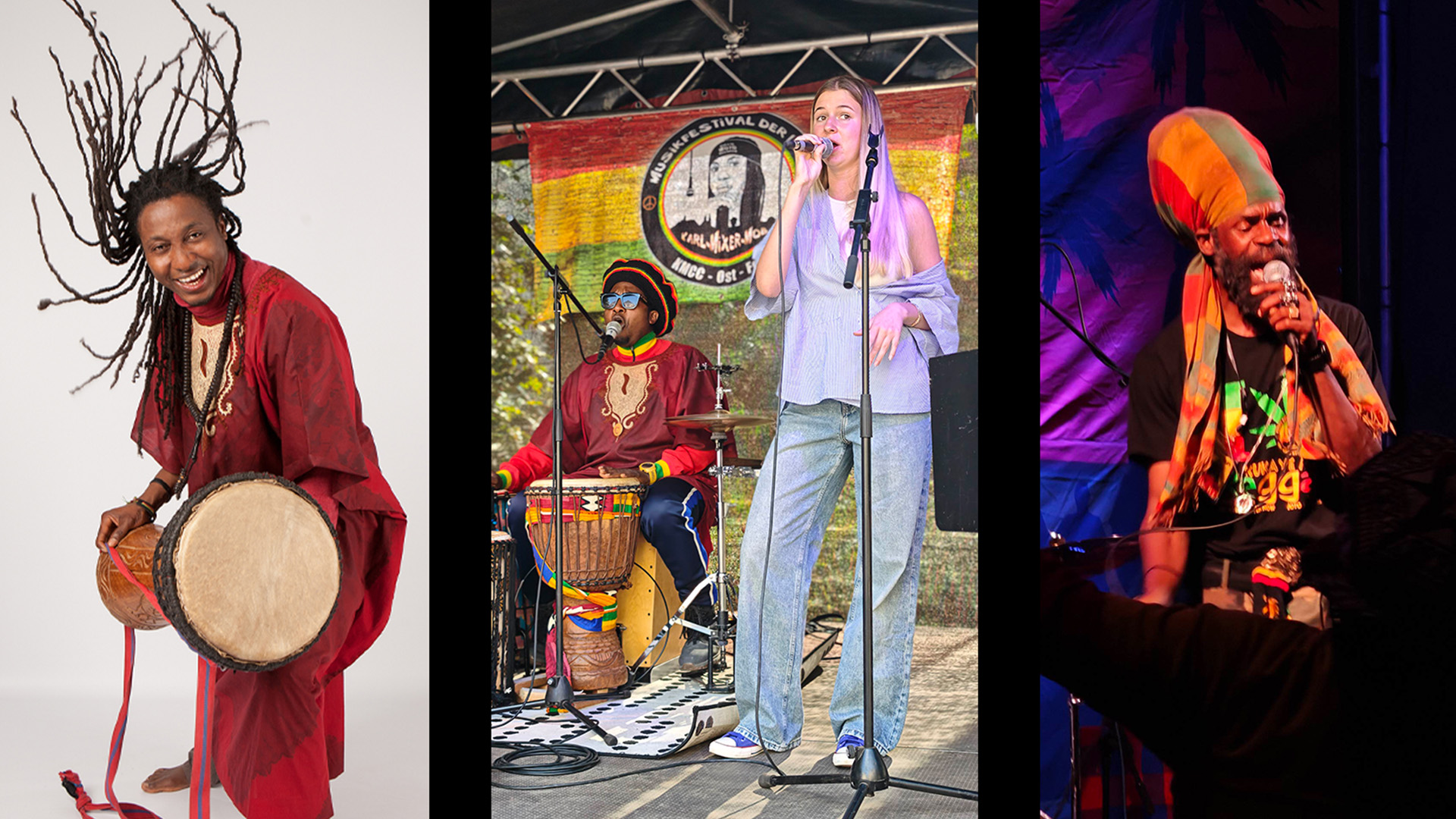
Several musicians from the region, as well as invited guests, will perform small concerts in the garages. They will play both from inside the garages and out in front of them – creating an open, accessible festival atmosphere. The physical proximity enables immediate encounters: you’re not standing in front of a traditional stage, but right in the thick of things. The garages become resonating spaces; the music carries out into the courtyards, onto the streets and into the conversations.
A central component of the project is an open, participatory workshop that invites everyone present to get involved. Under the guidance of musicians and creative professionals, visitors can try out simple instruments, develop rhythms or improvise together. This workshop fosters both creativity and practical skills in equal measure: from building small percussion instruments to making music together, it creates a space where people can connect with one another regardless of age, background or musical experience. The project builds on the core idea behind KuKaye Moto: using art and culture as a unifying force, reimagining spaces and strengthening community. The garages, otherwise purely functional spaces, are brought to life through new ideas. They become places where neighbours meet, where guests contribute their perspectives, and where civic engagement becomes visible. Many of the participating musicians and volunteers come from the immediate neighbourhood and support the project through their voluntary efforts.
Through collaborations with partner initiatives and fellow cultural practitioners, an exchange is created that has an impact beyond the day itself. Joint rehearsals, spontaneous sessions and discussions about cultural backgrounds bring diversity to life and strengthen the sense of European solidarity. ‘GaragenKonzerte’ demonstrates just how much potential lies in seemingly unspectacular places. The invisible – people’s creativity, the stories of the neighbourhood, the cultural connections – becomes visible and audible. The project encourages third parties to take part because it is accessible, open and welcoming. Anyone can come along, listen, join in and get involved. The barrier between the audience and the performers is deliberately broken down. The result is a day that brings together music, the neighbourhood and European encounters. A day that shows how culture can transform places and strengthen community. And a day that highlights KuKaye Moto as the region’s creative driving force.