Chemnitz 2025 in pictures
Full houses, international attention and a cosmopolitan atmosphere - what a fantastic year!
Over 2,000 events and 260 projects attracted more than 2 million visitors to Chemnitz and the Capital of Culture Region. They came from all over the world.
The result: record numbers of visitors to the museums and festivals, more tourists than ever before and a significant increase in interest in Chemnitz and the Capital of Culture Region.
From other perspectives
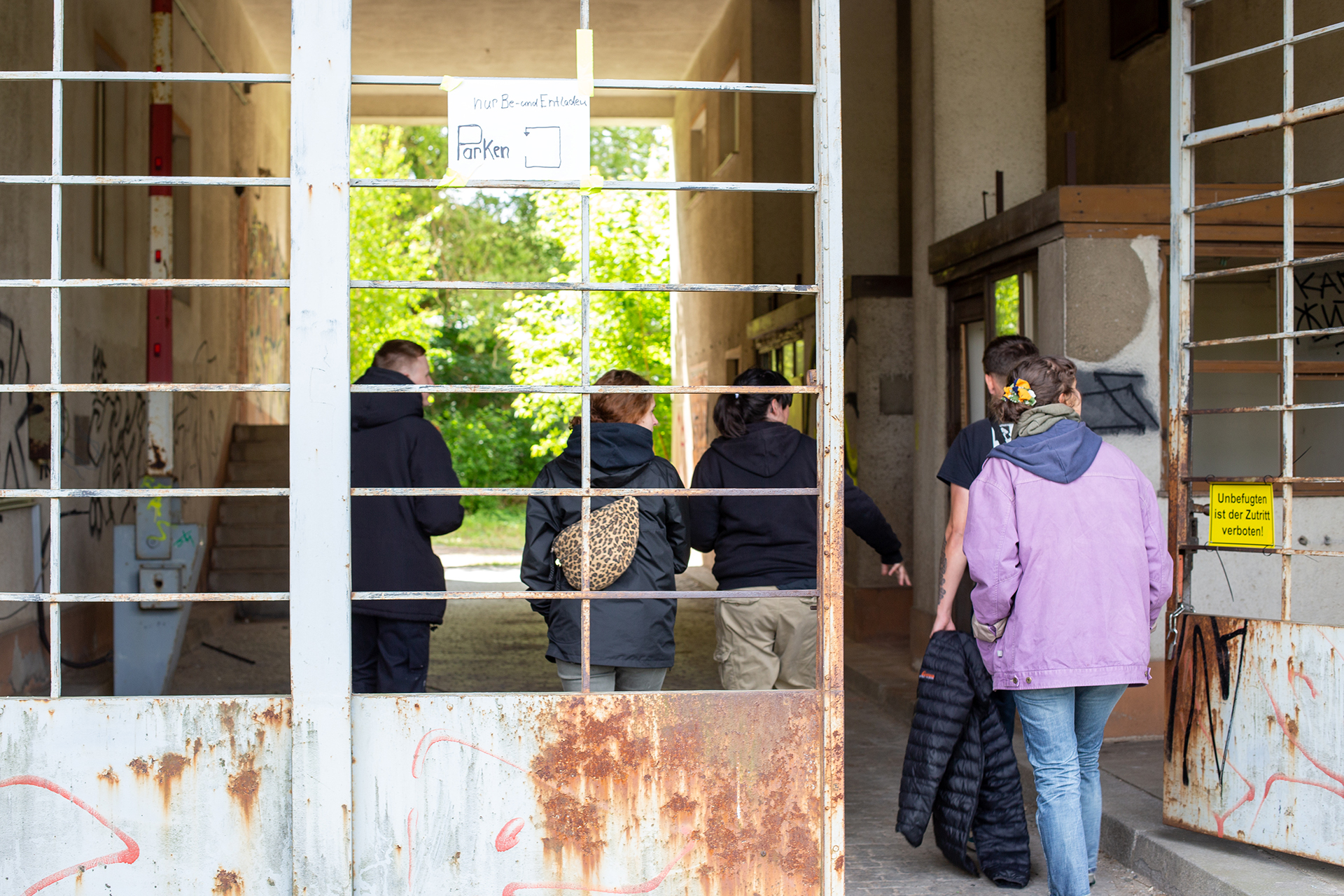
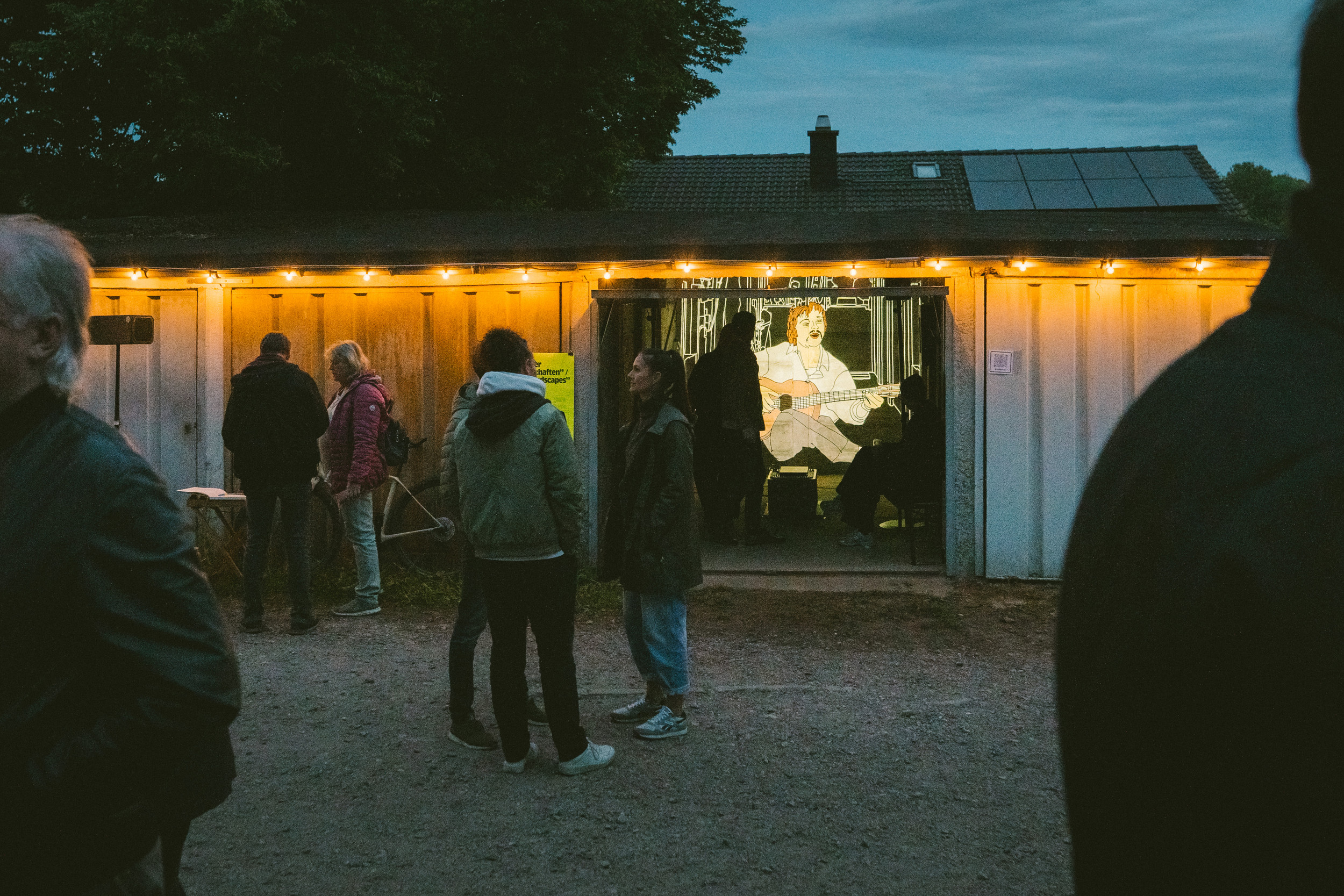
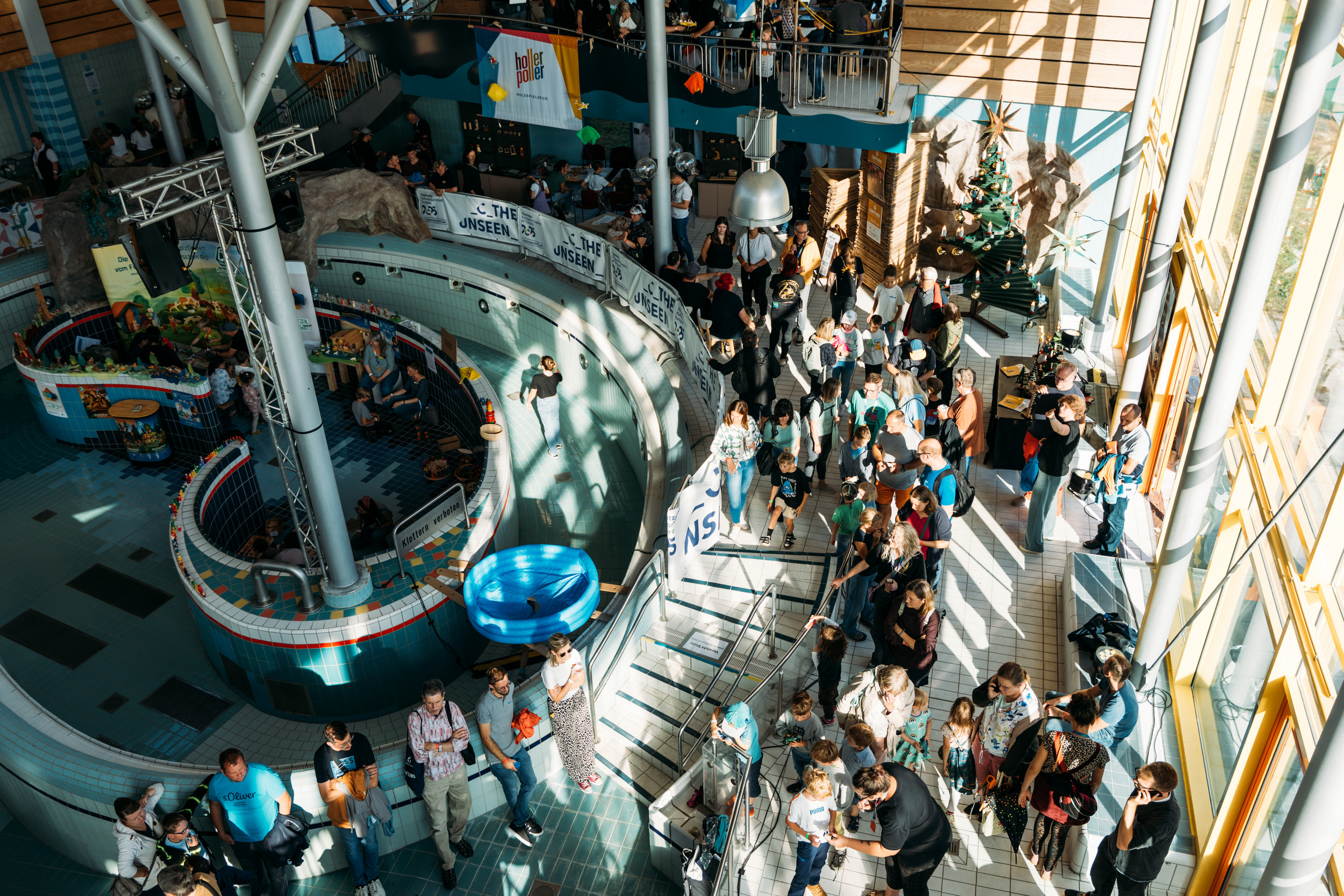
The motto for Chemnitz 2025 was C the Unseen: See the unseen. Countless events took place in unusual locations this year: The Begehungen art festival in the former Chemnitz lignite-fired power plant, the Toymakers Festival in the disused leisure pool in Seiffen, the ibug festival for urban art in the old hospital, garage festivals in garage yards from GDR times and much more. Light our Vision bathed the city in a different light and at Bunte Dächer you could see the streets from a bird's eye view.


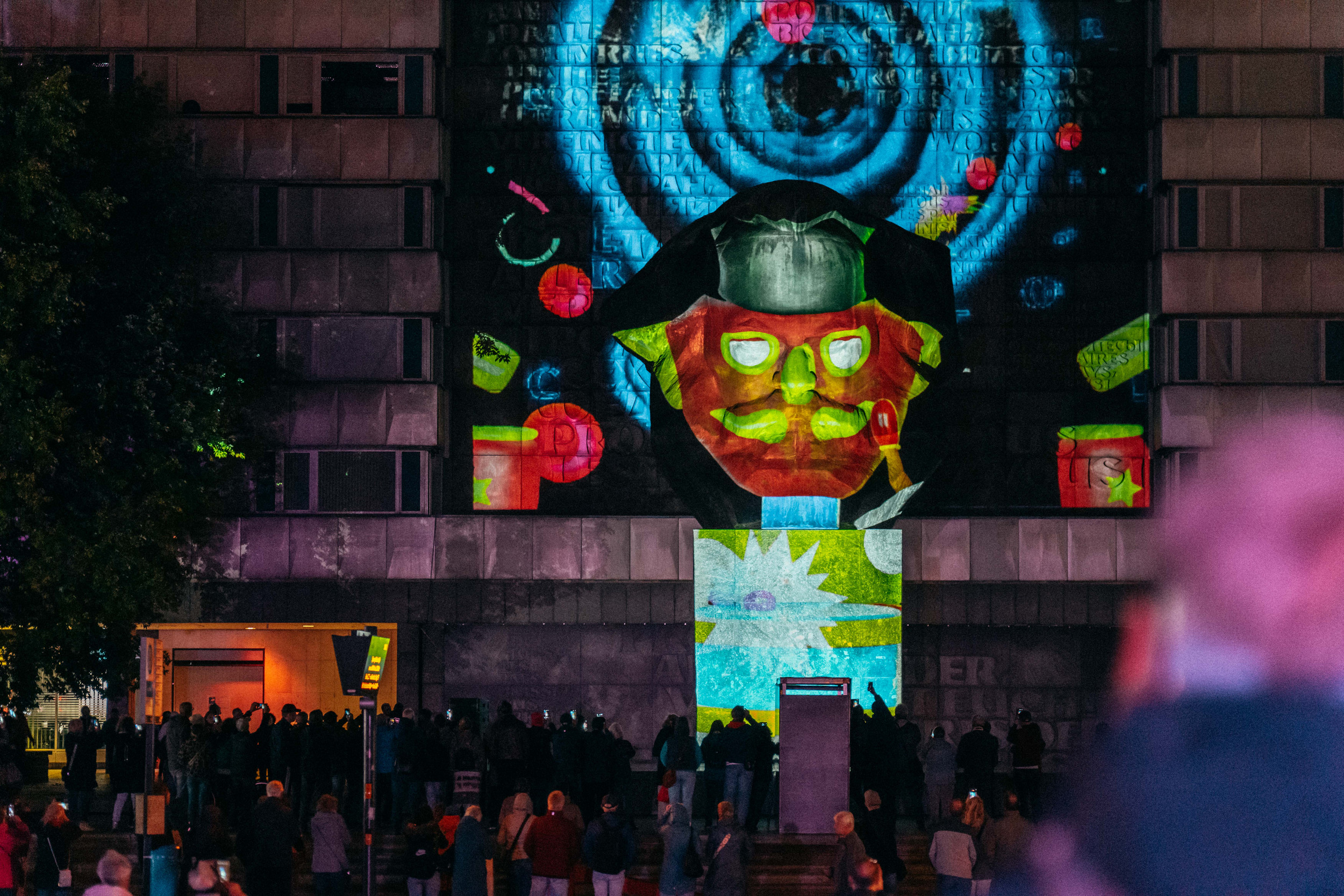

Celebrating and dancing
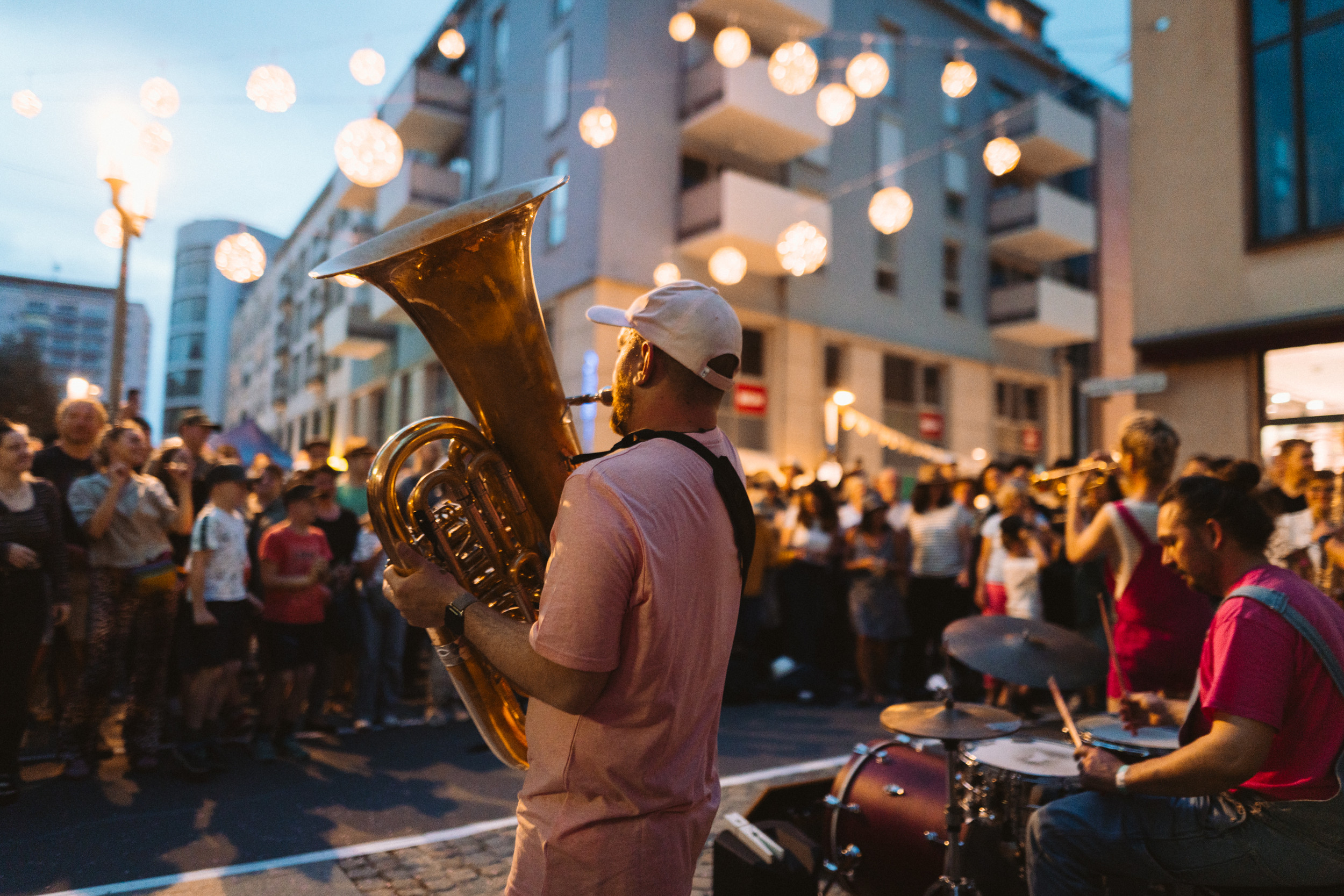
Whether at KOSMOS Chemnitz around the castle pond, with DJ Vika, the oldest DJ in Europe, or at Betonblühen, the festival by and for young people: Of course there was also partying. The Dancing Neighbours showed that you're never too old to shake a leg, at TANZ MODERNE TANZ people tried their hand at the world's largest ballet class, street artists from all over the world donned their hats at the Hat Festival and at the Fête de la Musique the whole city became a concert stage.




Exhibitions
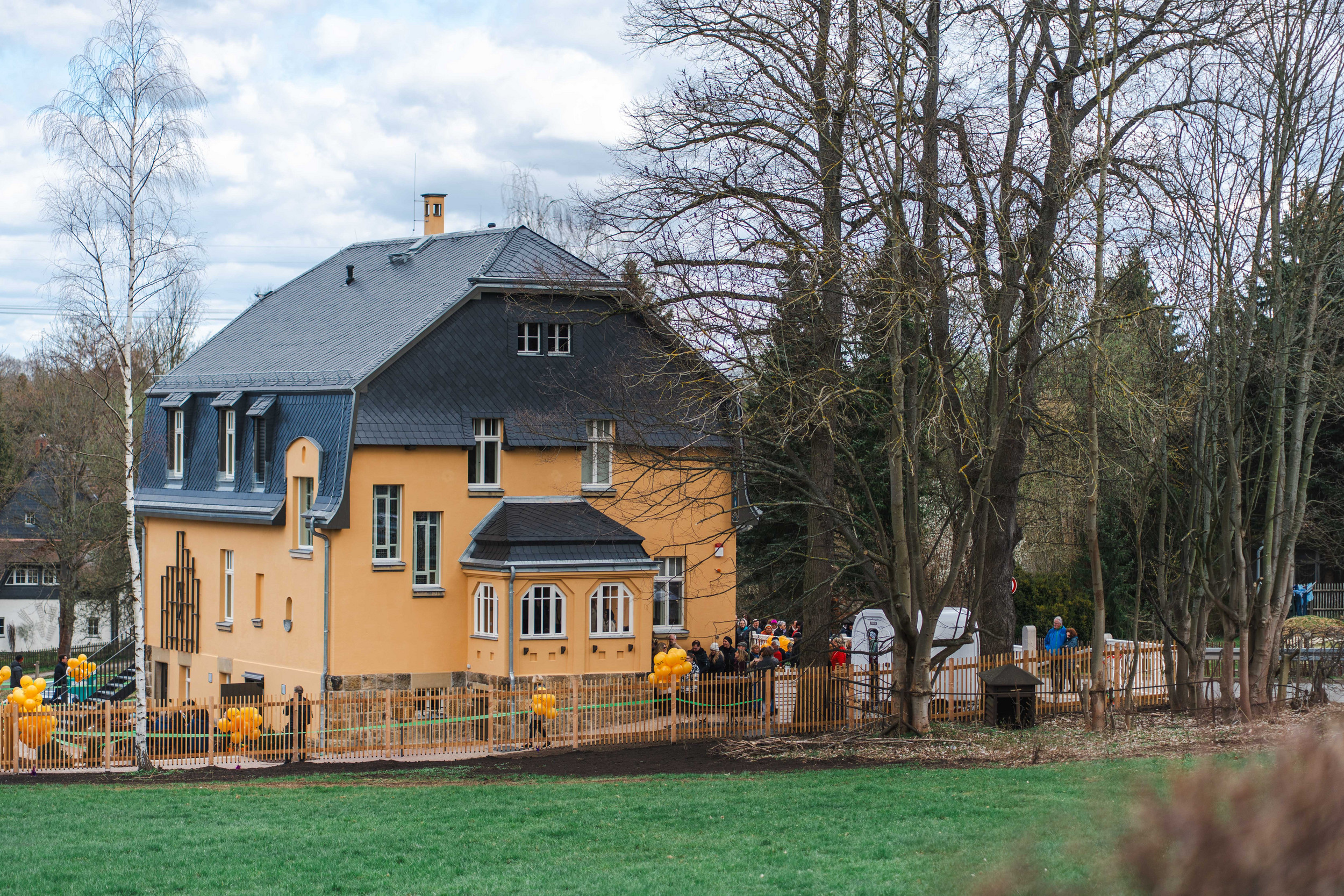
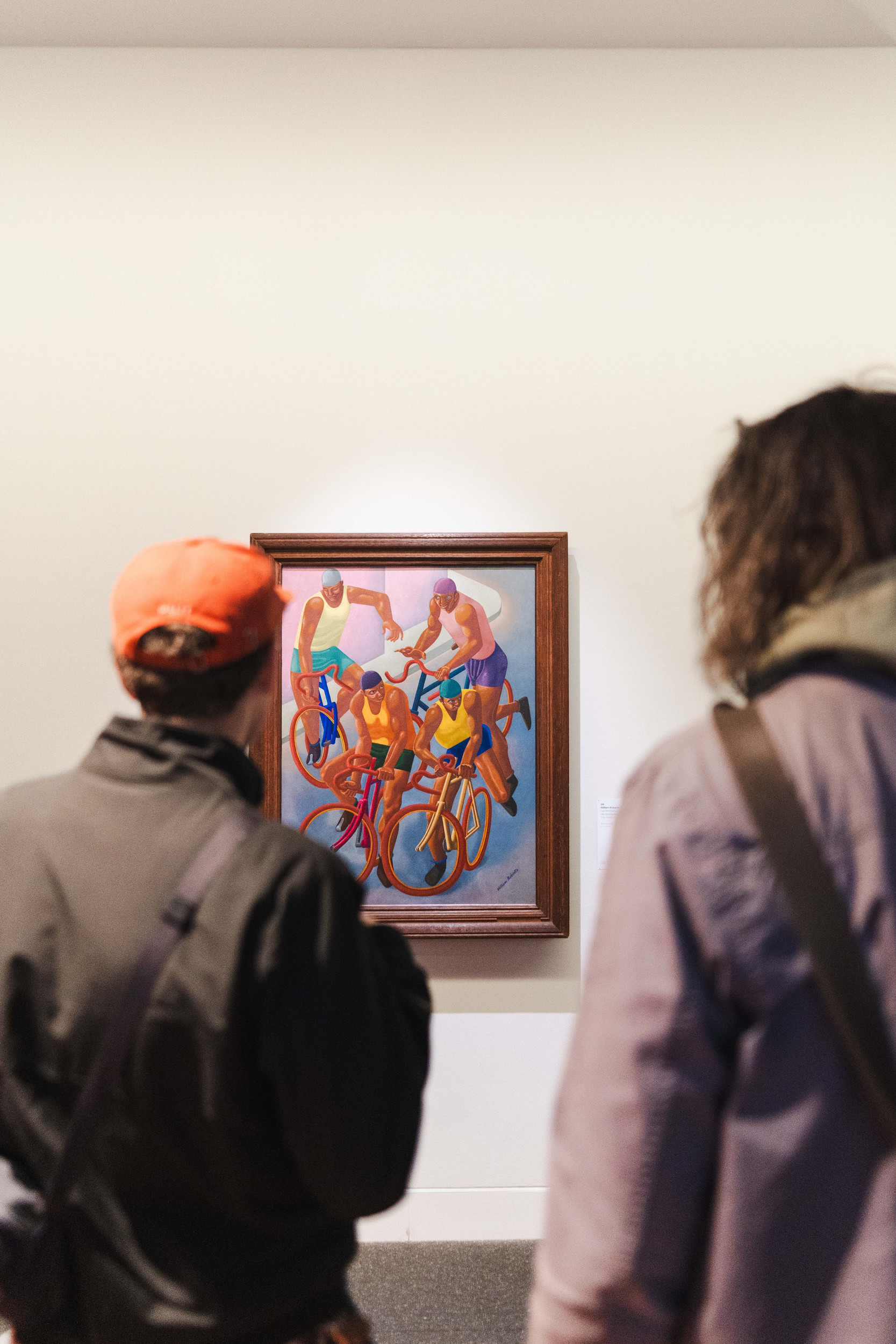
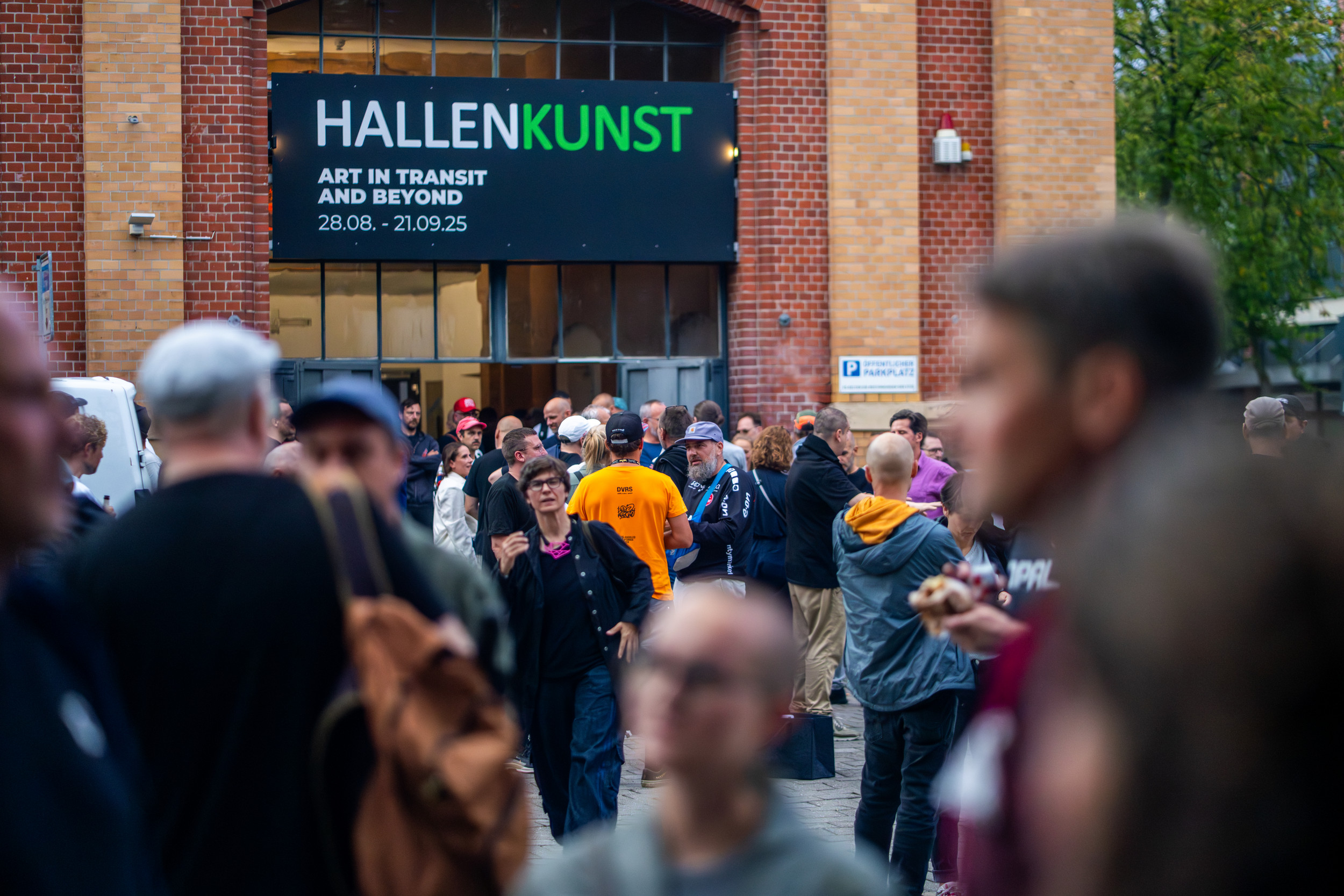
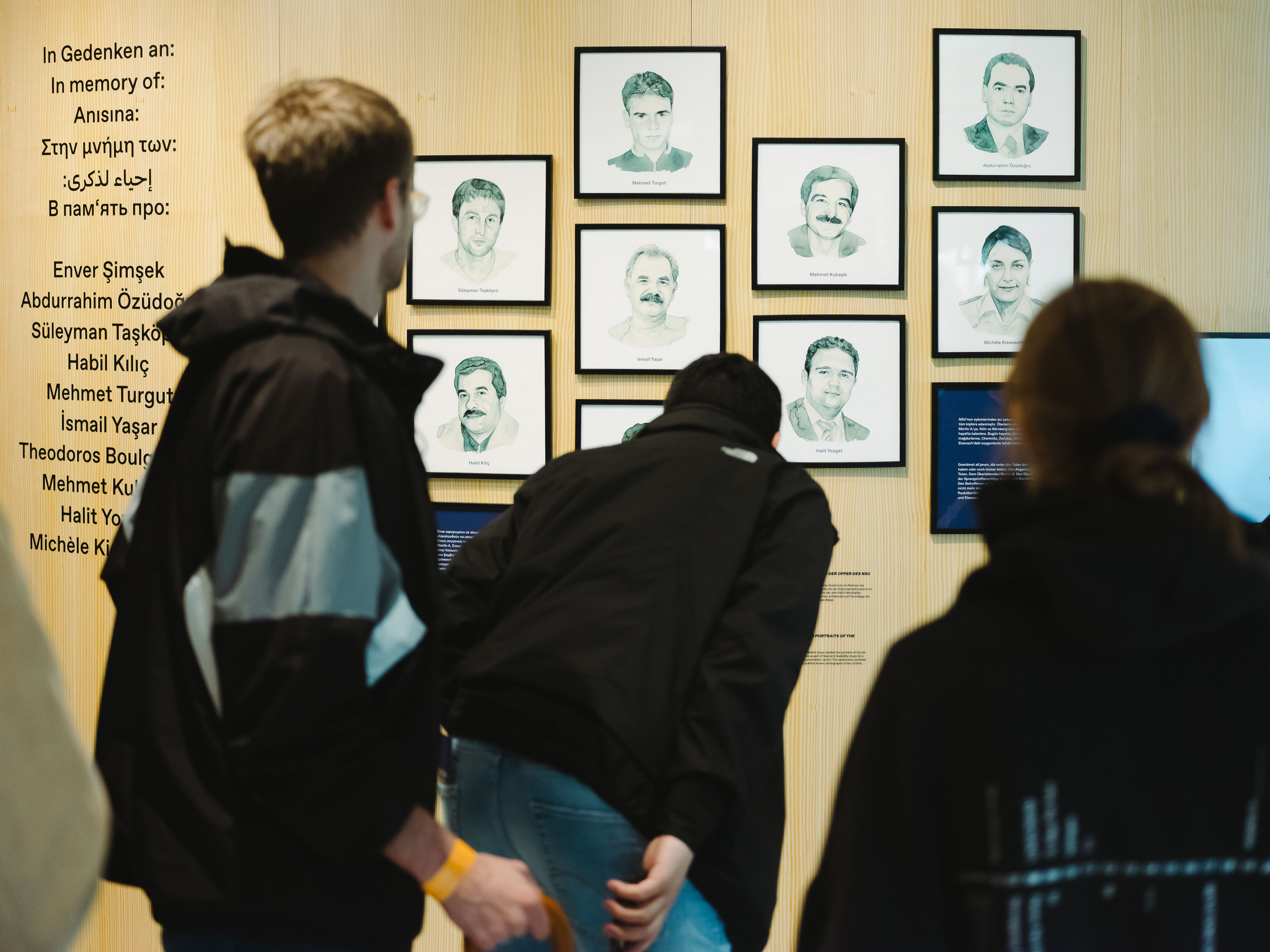
Numerous exhibitions have shown us art and history. The Karl Schmidt-Rottluff Haus has created a new art museum, the acclaimed show European Realities showed for the first time how interwoven the European realism movements were, street art was honoured in exhibition spaces at Hallenkunst and Edvard Munch. Angst, Munch's works entered into a dialogue with contemporary positions. Based on the NSU complex, Offener Prozess depicts the ongoing right-wing violence and the loud voices that stood up against it.


Out into nature, out to art
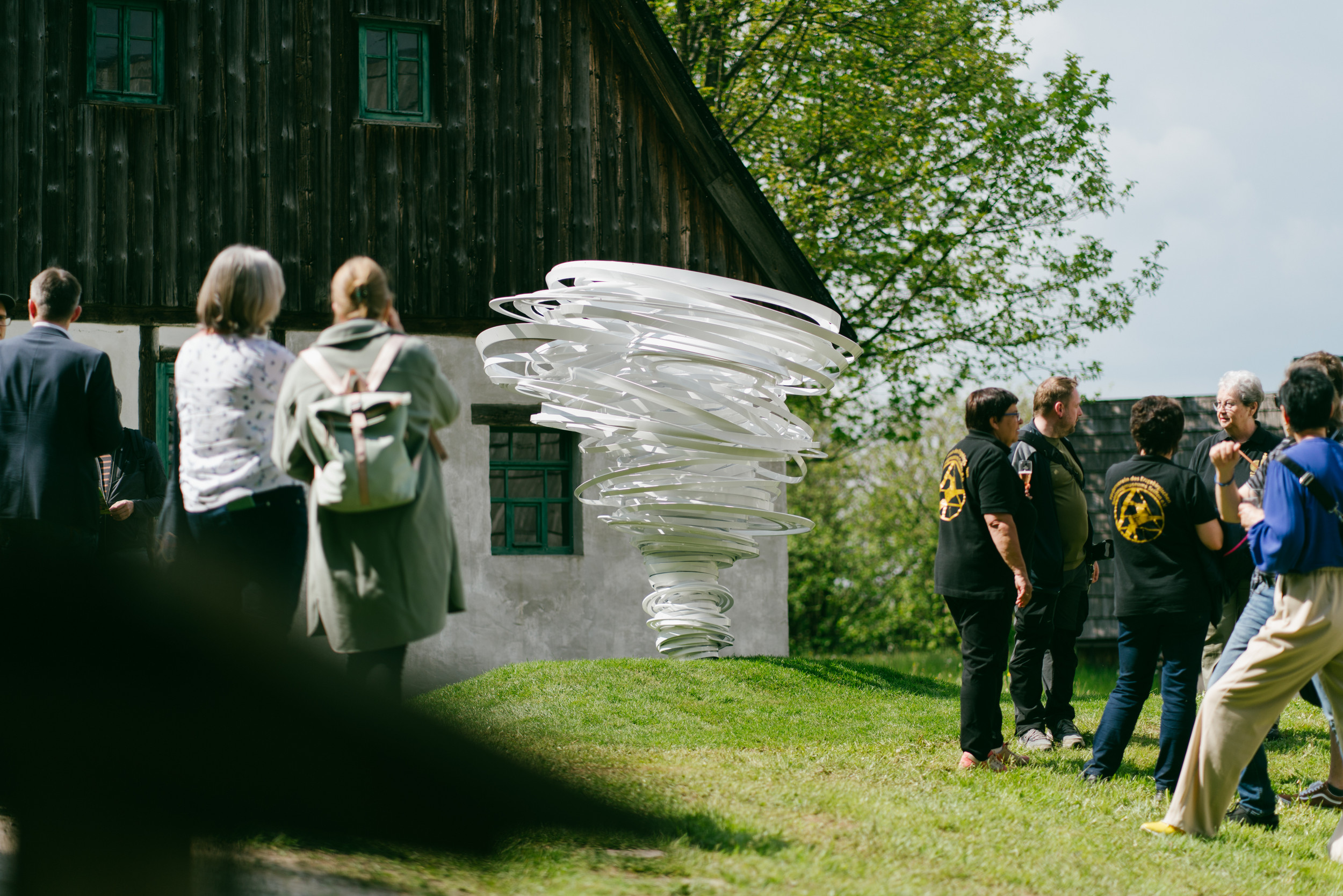
The PURPLE PATH art and sculpture trail is one of the major permanent projects of Chemnitz 2025. It is a unique exhibition of contemporary art that shows the work of over 60 international and regional artists in public spaces in Chemnitz and the Capital of Culture Region.


Discover the maker in you
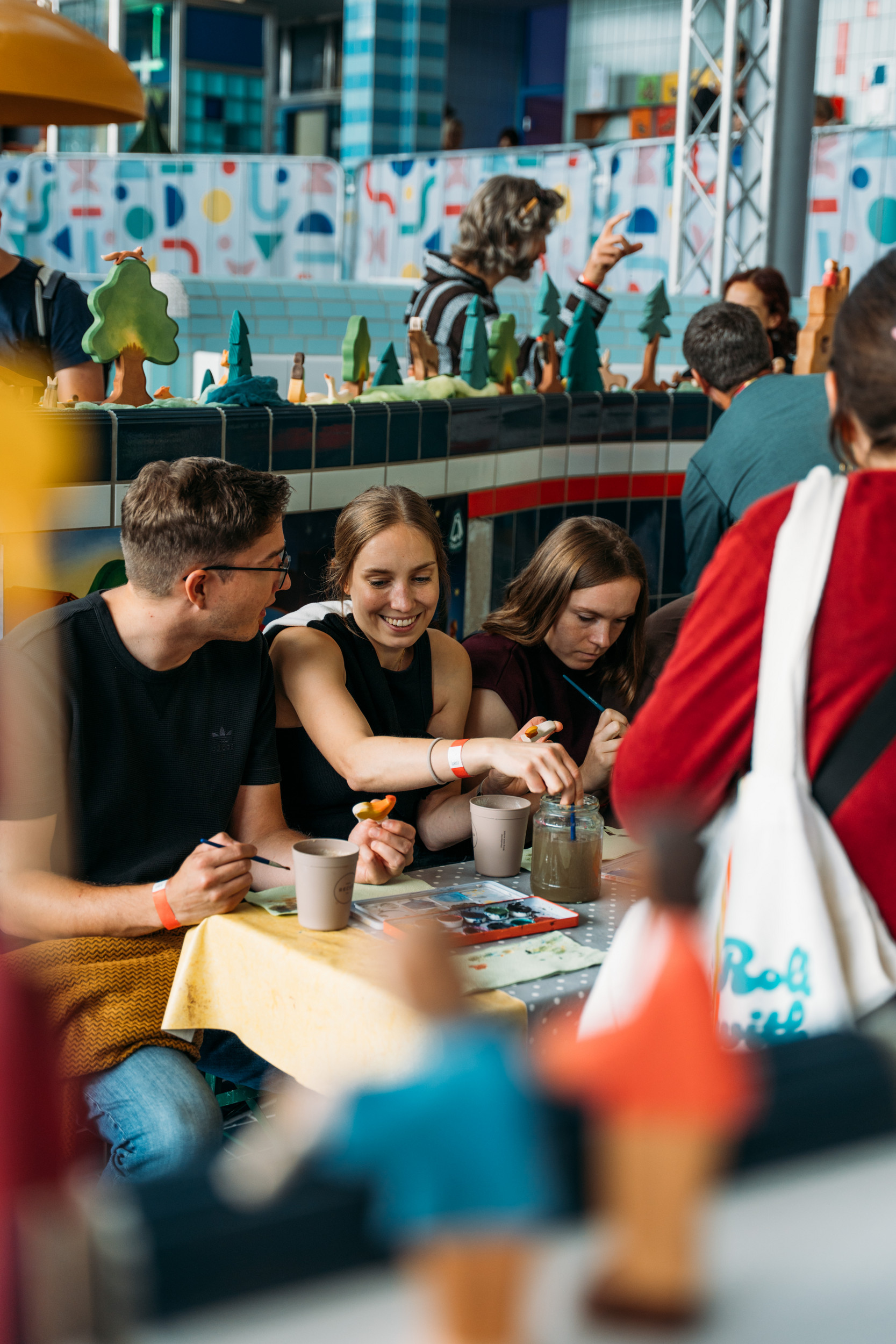
A pronounced maker:inside mentality is deeply rooted in this region. Makers, Business & Arts brought together traditional craftsmanship with innovative approaches and developed new formats for creative tourism. A total of nine maker hubs were created in Chemnitz and the Capital of Culture region: meeting places where people learn from each other and create something new together. The Maker Advent is an annually recurring format in which not only the doors of the Advent calendars open during the Christmas season, but also countless workshops and studios. They invite you to discover both classic and modern craft practices.



Tackle, join in, participate
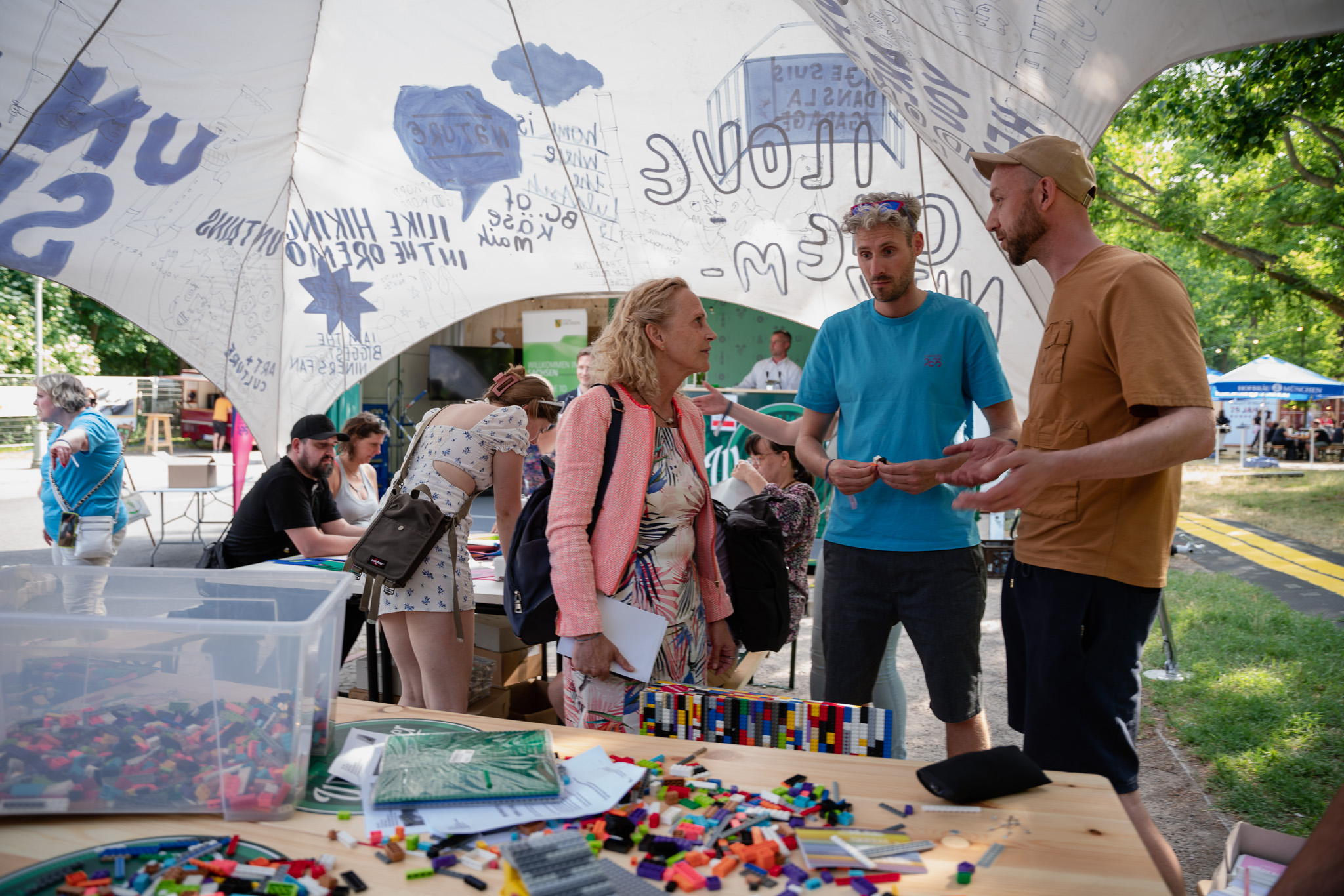
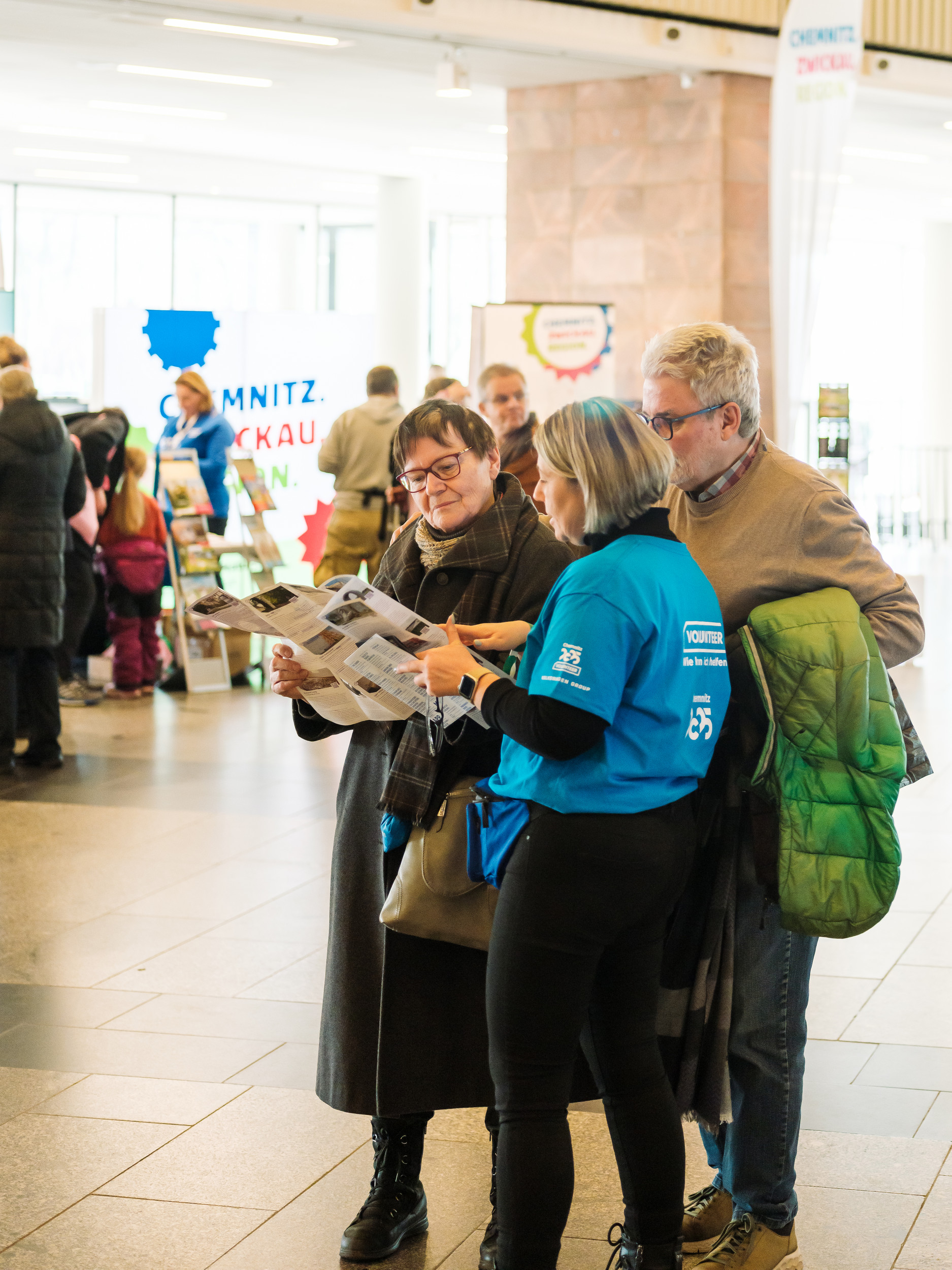
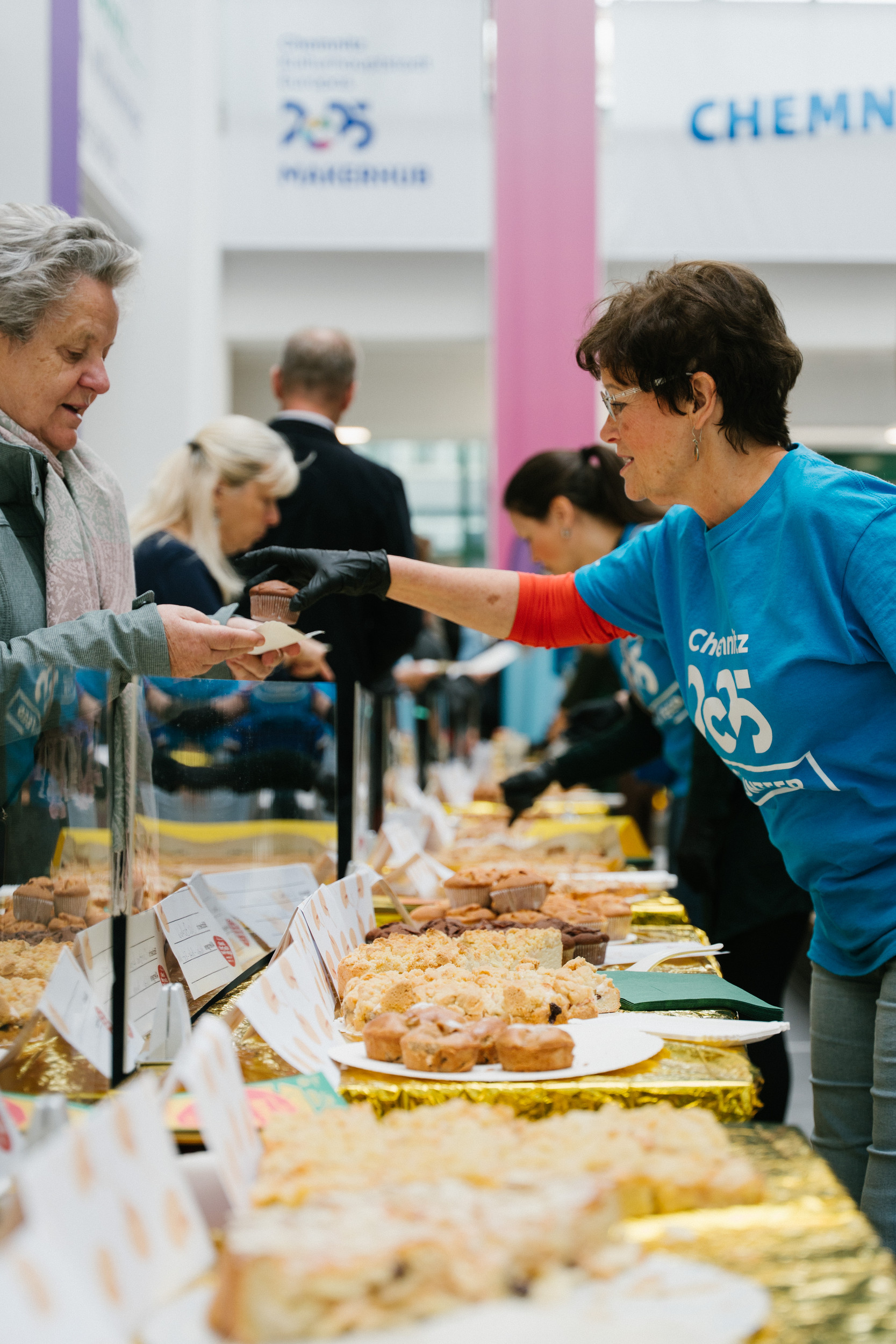
The Capital of Culture programme emerged from the urban community - a unique selling point among the European Capitals of Culture. Whether as volunteers, in artistic projects or neighbourhood initiatives: The commitment of the citizens was decisive. A total of 1,450 apple trees were planted in public spaces during Living Neighbourhood, while 1,300 volunteers put in a total of 45,000 hours of voluntary work and supported Chemnitz 2025 as ambassadors and behind the scenes. Hundreds of cyclists set an example for peace at the European Peace Ride. And 248 small creative ideas were realised as micro-projects.


New places for the future
Chemnitz 2025 brought change that will stay. In addition to the sculptures at the PURPLE PATH and the nine maker hubs in Chemnitz and the region, the 30 intervention spaces are also part of this. Places that have been transformed and will continue to be useful for the city community in the future: as spaces for creativity, collaborative learning or networking. These include the traditional Hartmannfabrik, where locomotives were once built, the garage campus, a former tram depot and the former Stadtwirtschaft, which has become a cultural hotspot.