Team Generation | re:generation conference and review

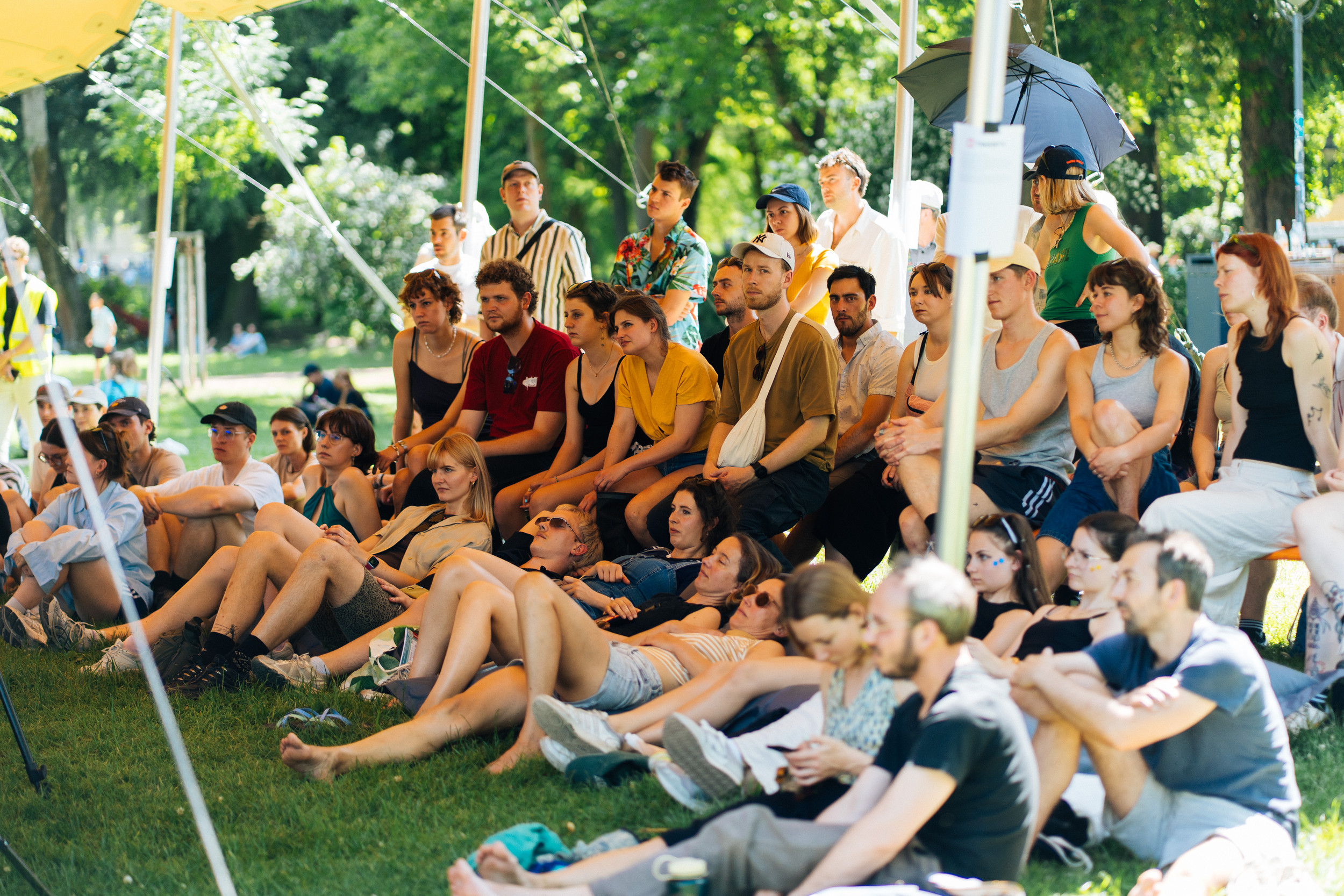
Photo: Luise Müller

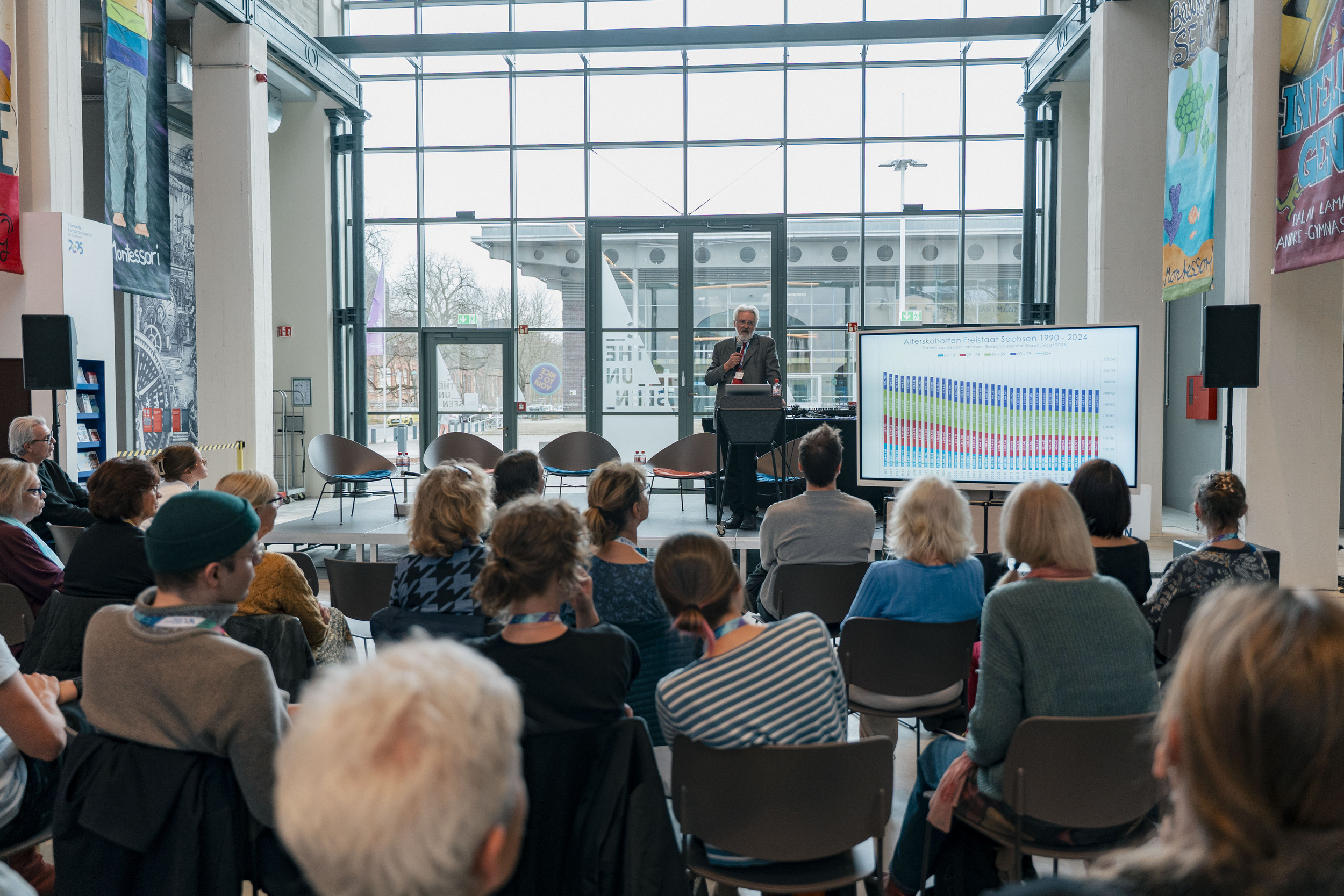
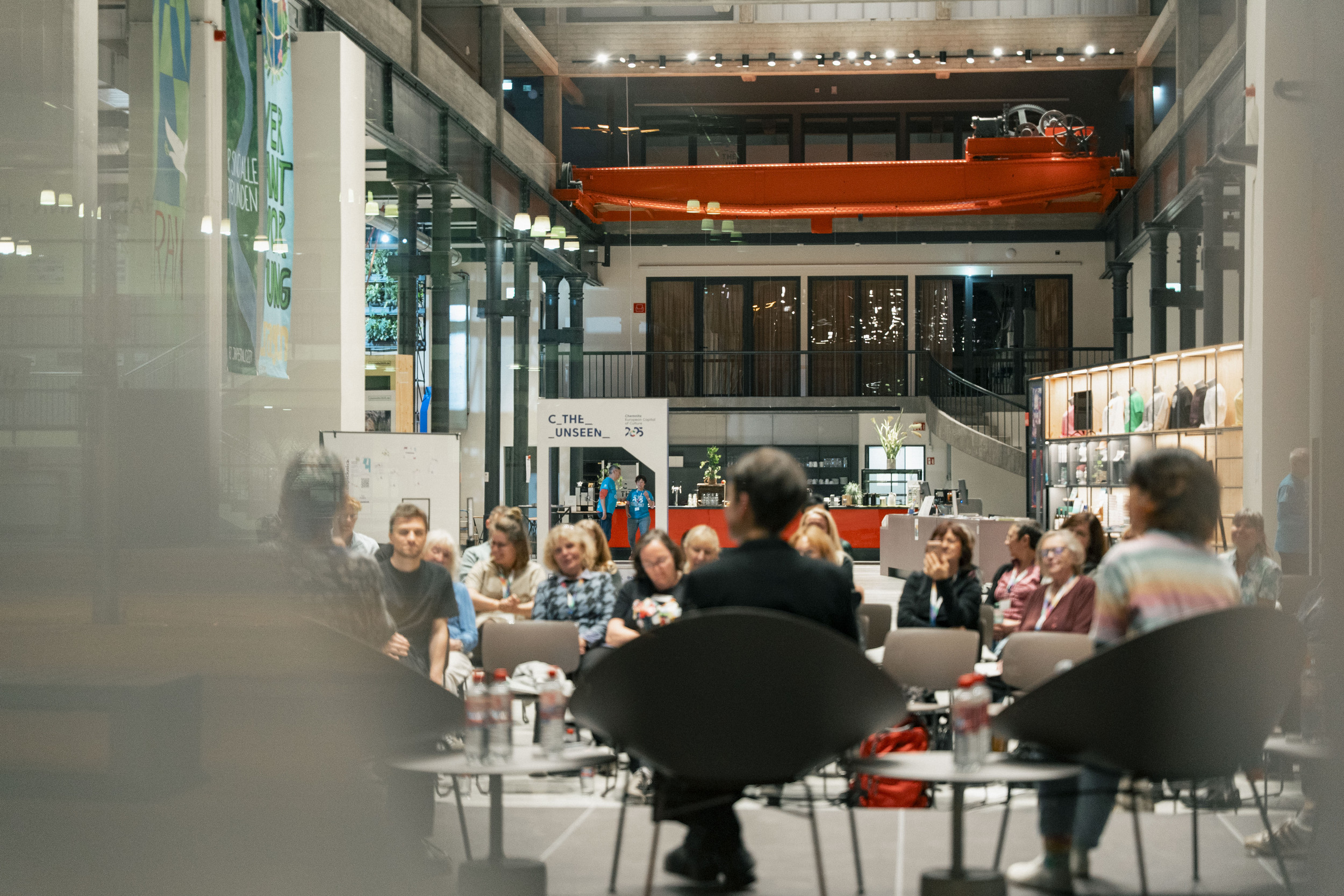
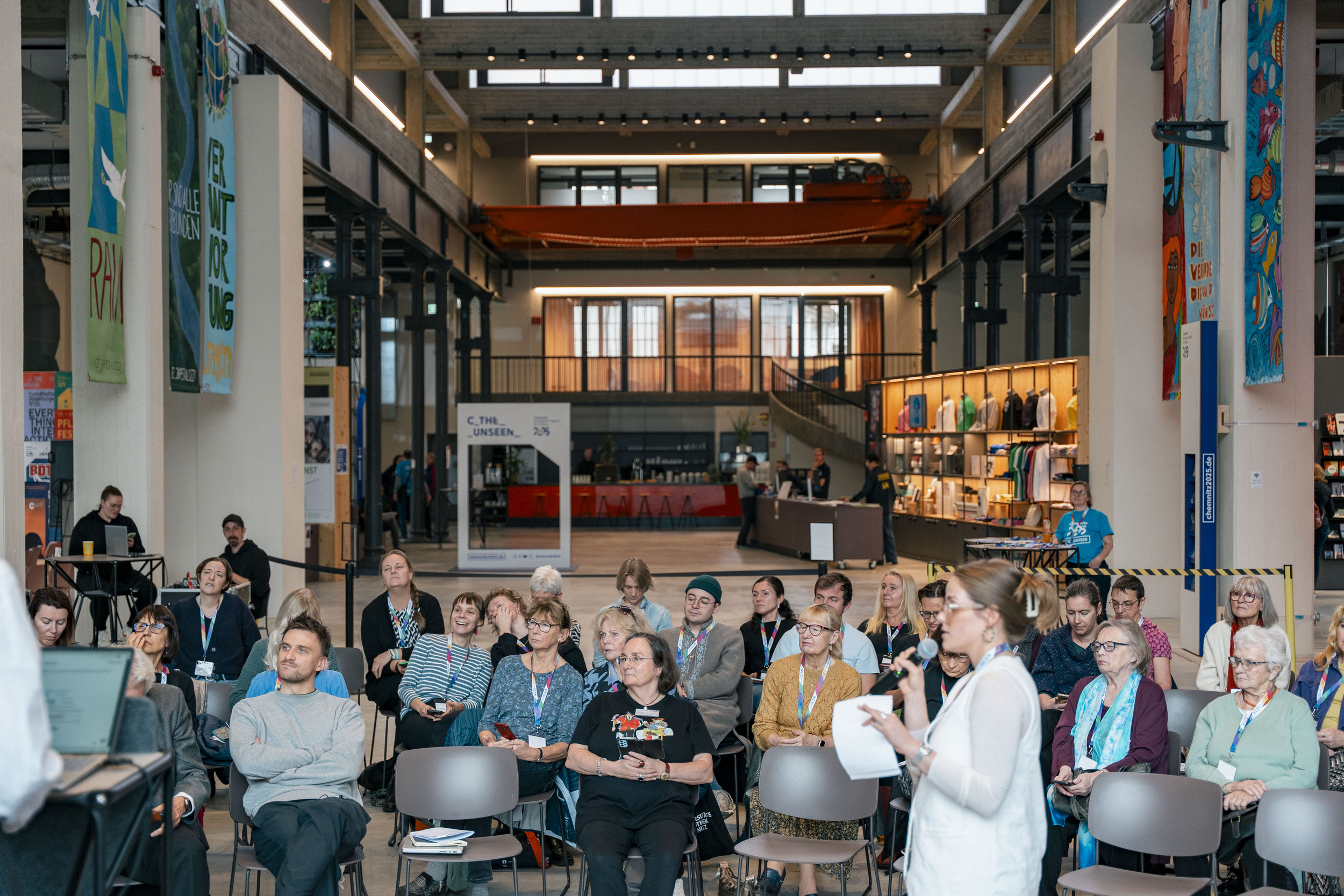
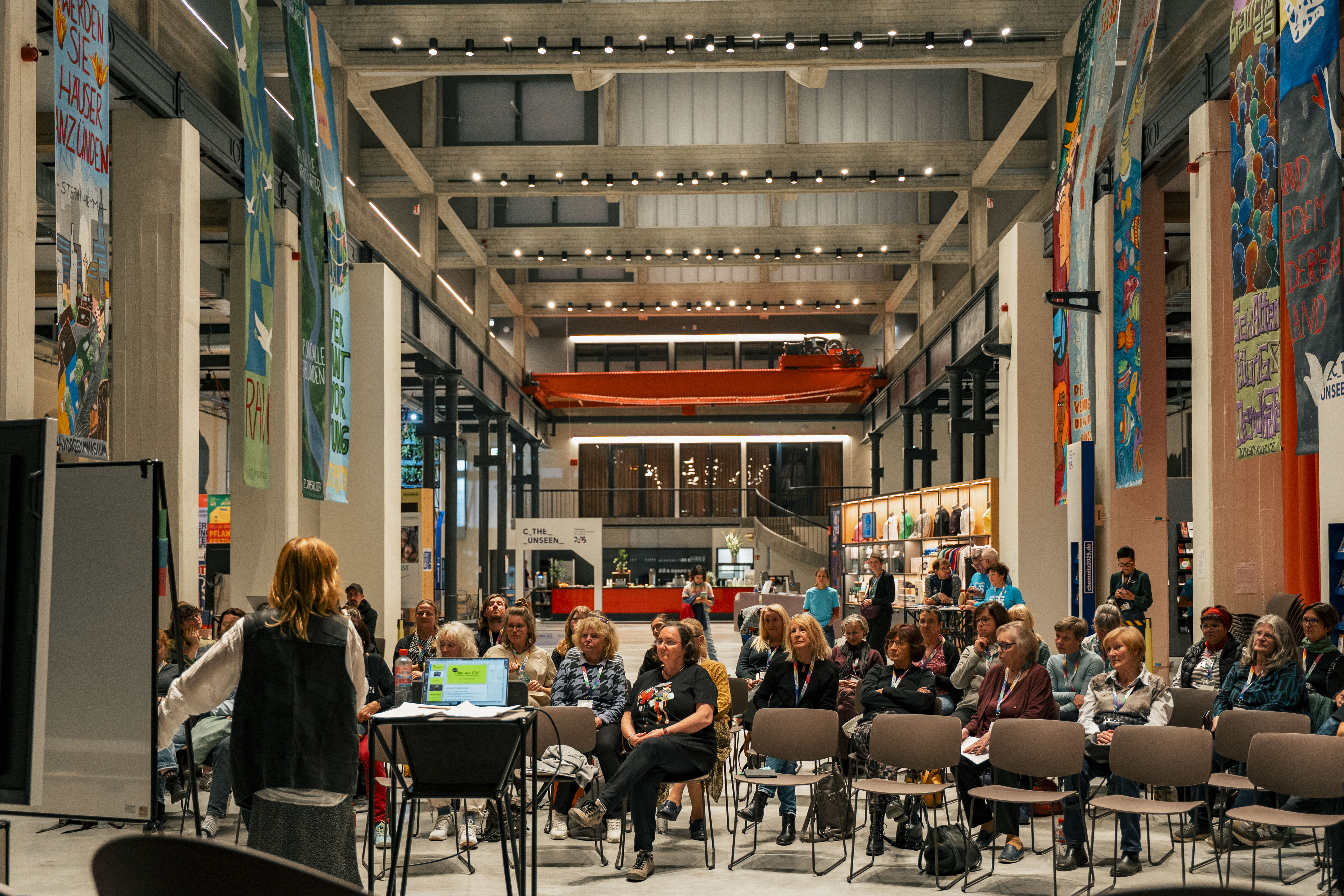
With the third edition of the re:generation conference at the end of the European Capital of Culture year, Team Generation of the European Capital of Culture Chemnitz 2025 reflected on its activities of the past year and at the same time provided important impetus for the future: This is because many of Team Generation's projects will continue beyond 2025, enriching the city and the region in the future. Team Generation networked different age groups, took up their perspectives and introduced generation-sensitive topics into the European dialogue. Through workshops, participation formats and cooperation with local and European partners, it created sustainable cultural impulses.

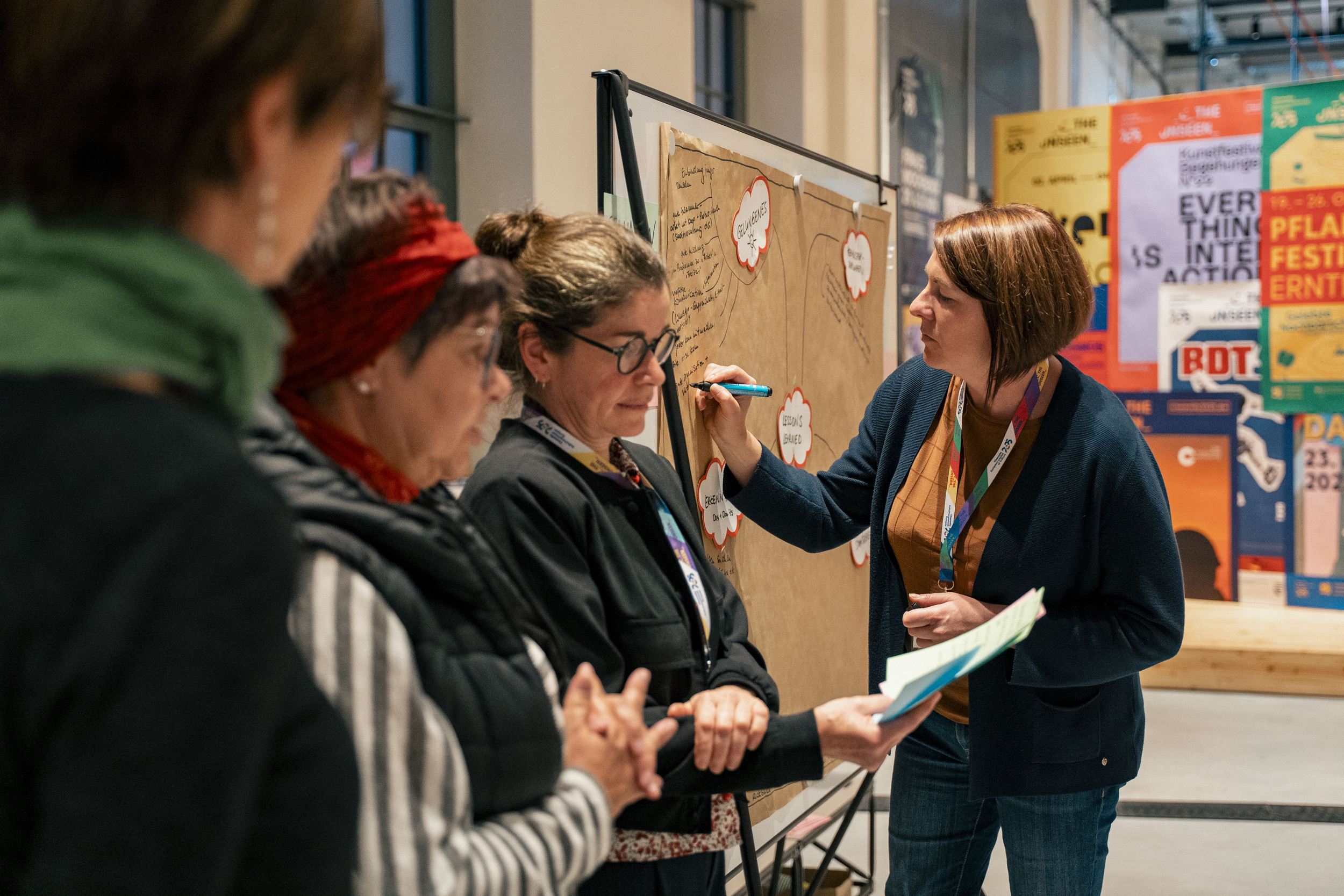
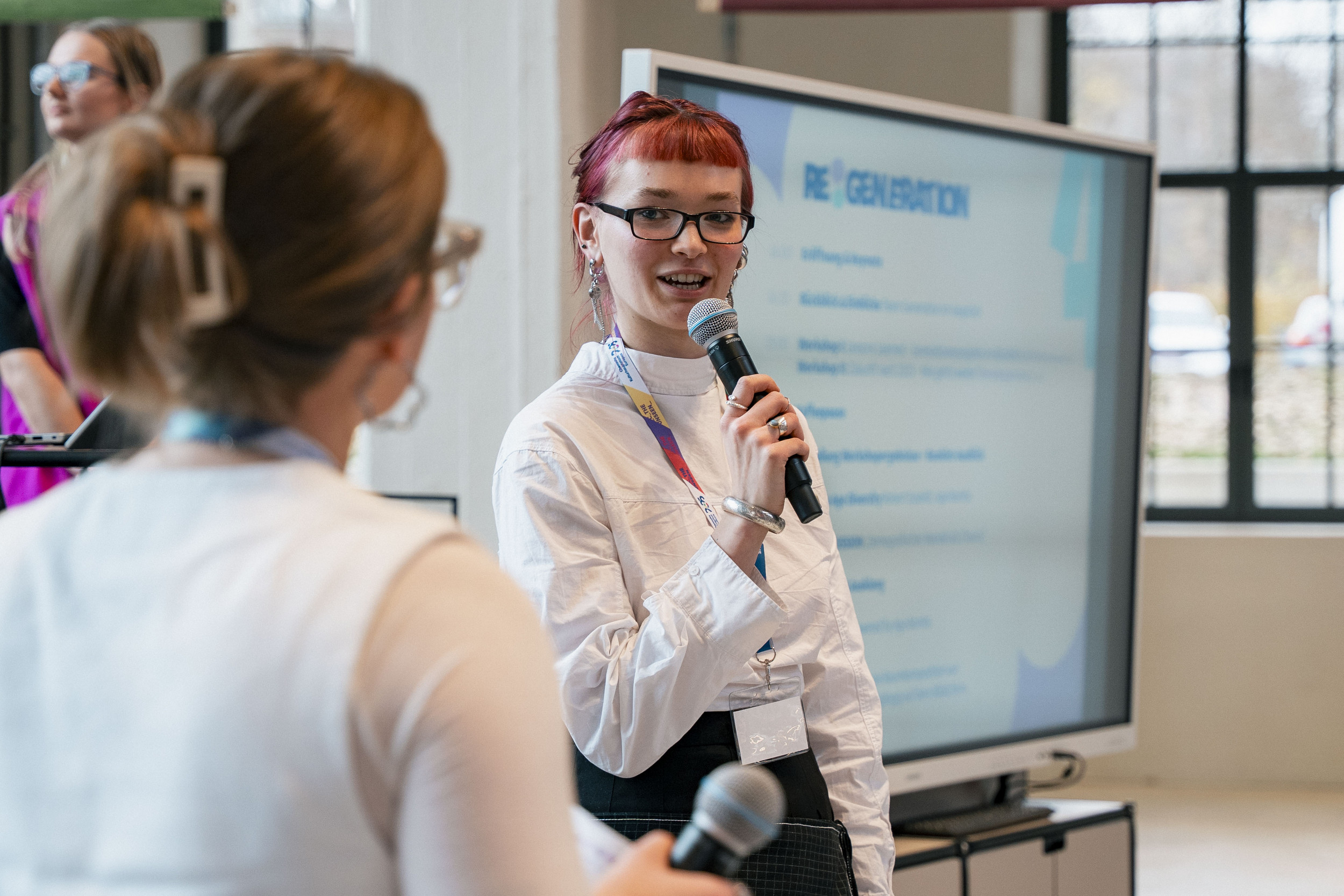
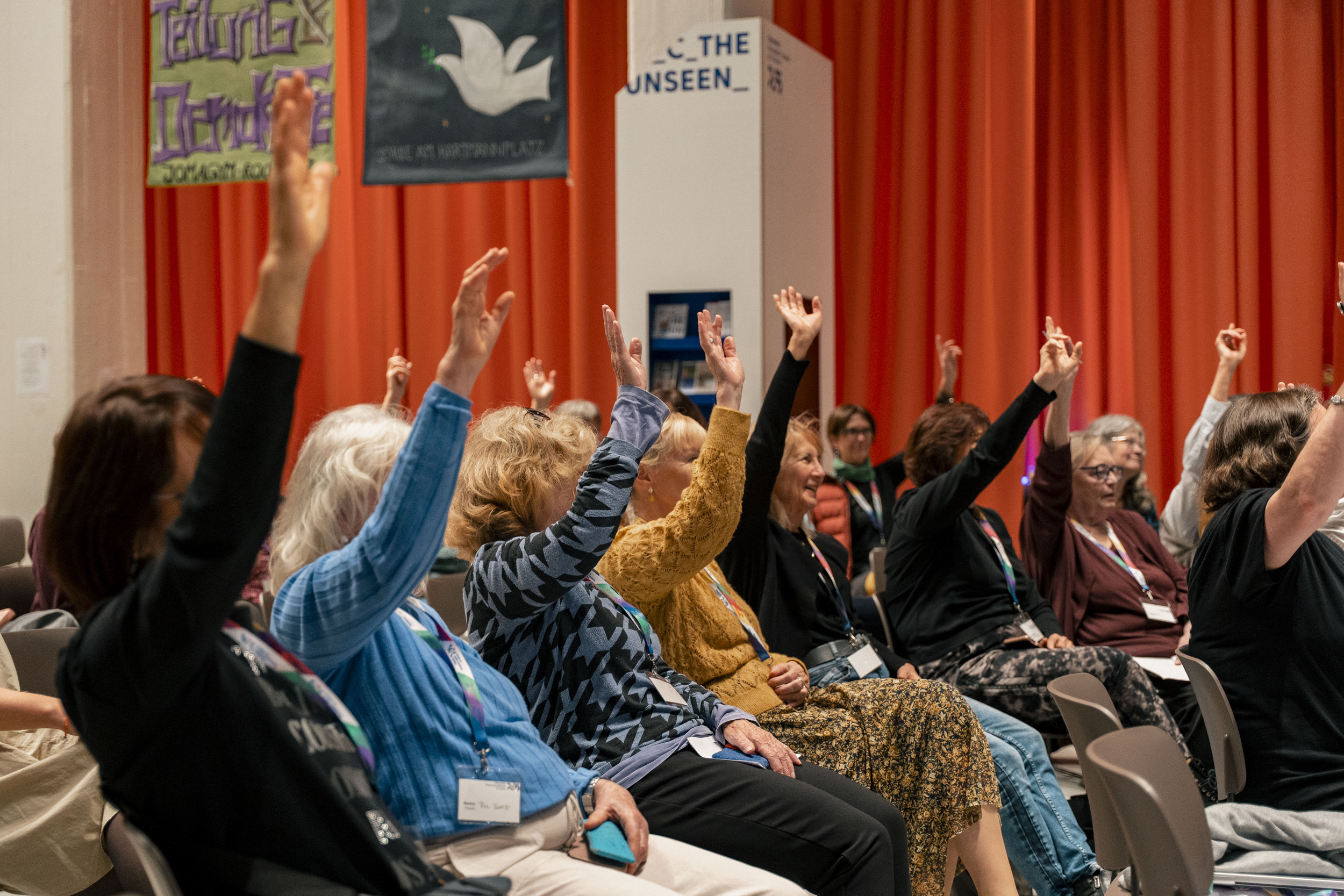
At the re:generation conference on 14 November 2025, project partners, cultural professionals and interested people from different generations came together to look back on the past years of intergenerational work and discuss how the structures and projects established can continue to have an impact after 2025. In workshops and panel discussions, experiences were analysed, findings pooled and ideas formulated for the further development of intergenerational cultural work. The Generation team itself presented the key results of its work at the conference and presented the initial content of its final booklet, which will be published in early 2026. The contributions from the talks, discussions and open dialogue at the conference will now also be included in the booklet. The conference made it clear how much has been created in recent years: lively collaborations, sustainable cross-generational networks and numerous projects that have made culture tangible as a unifying force.
The year 2025 was an intensive year of work for the Generation team, in which most of their projects entered the practical realisation phase and reached their high points. The focus was on two projects that demonstrate particularly clearly how intergenerational cultural work can succeed in Chemnitz: the youth programme CREATE.U and thedance and movement project "Dancing Neighbours".

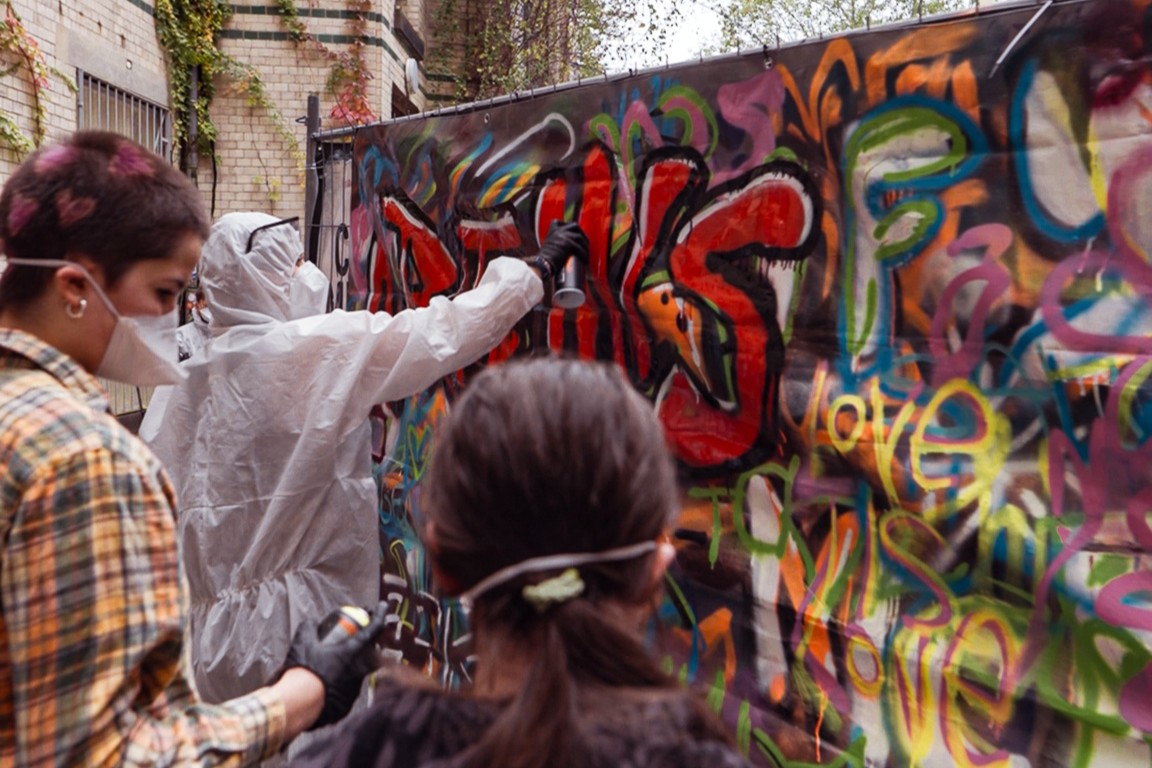
CREATE.U gave young people space to become creative and active themselves: They developed their own ideas in ten project groups - from upcycling, sport and urban design to art exhibitions and fashion shows. A total of 81 teenagers and young adults were involved in the organising teams of the various projects and organised 109 public events. They were supported by dedicated mentors provided by the Generation team of the Capital of Culture. The highlight and expression of the many creative ideas was the Betonblühen Festival: after a year and a half of intensive planning, the first edition of the Betonblühen Festival for Young Culture was successfully realised in October 2025. 8,500 visitors experienced workshops, concerts, readings and hands-on activities. A new space for urban youth culture was created, fuelled by self-empowerment, community and the desire to create. Even before the Capital of Culture year began, the German Federal Cultural Foundation launched the "enter Junge Kulturregion" project and is supporting work with young people with a budget of almost 7 million euros until 2029. "enter Junge Kulturregion" is now picking up on the impetus provided by the Generation team in the Capital of Culture process and building on this with many new projects. The aim is to continue to support young art and culture in Chemnitz and the Capital of Culture region and make it visible.
 

to the website of "enter Junge Kulturregion"


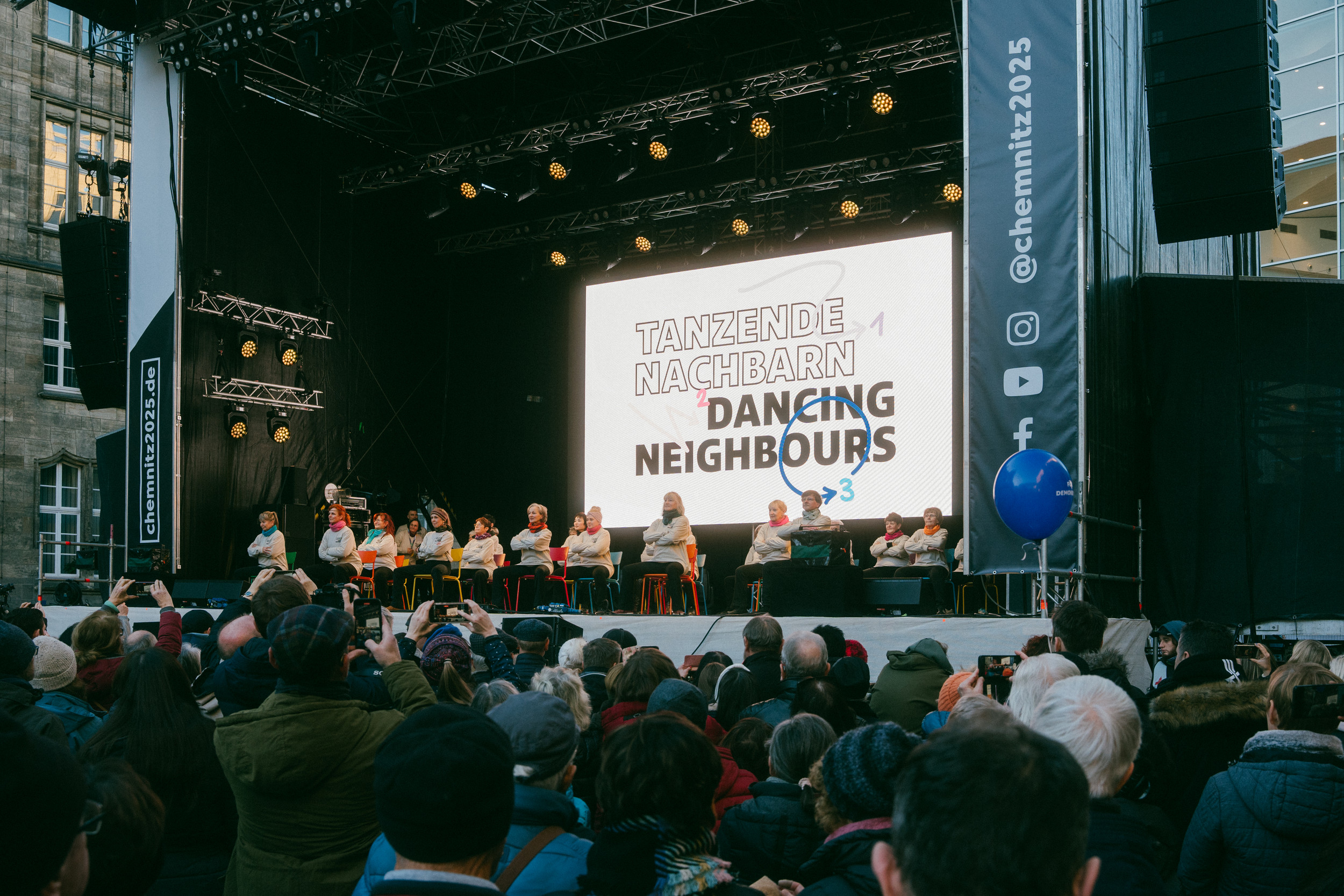
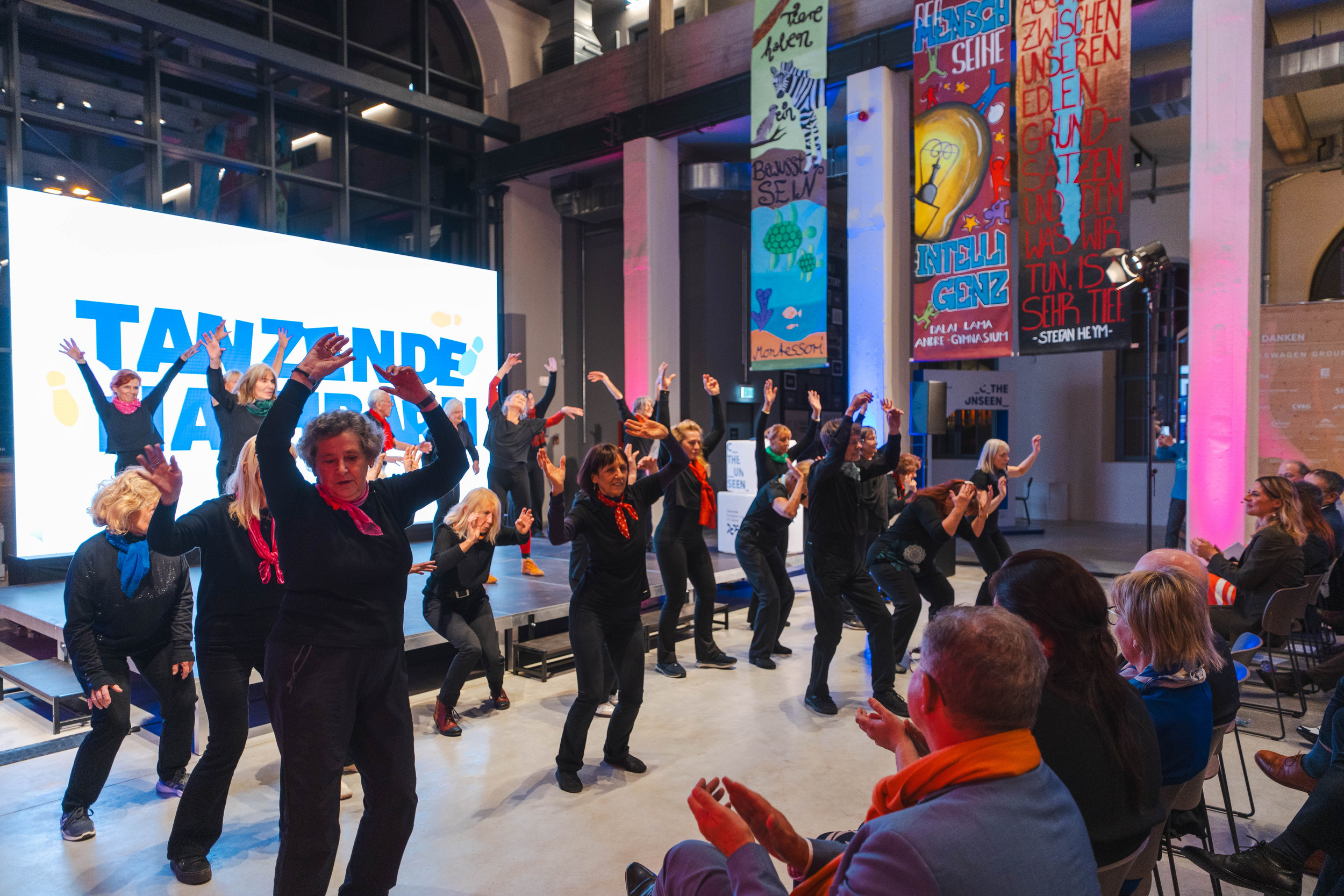
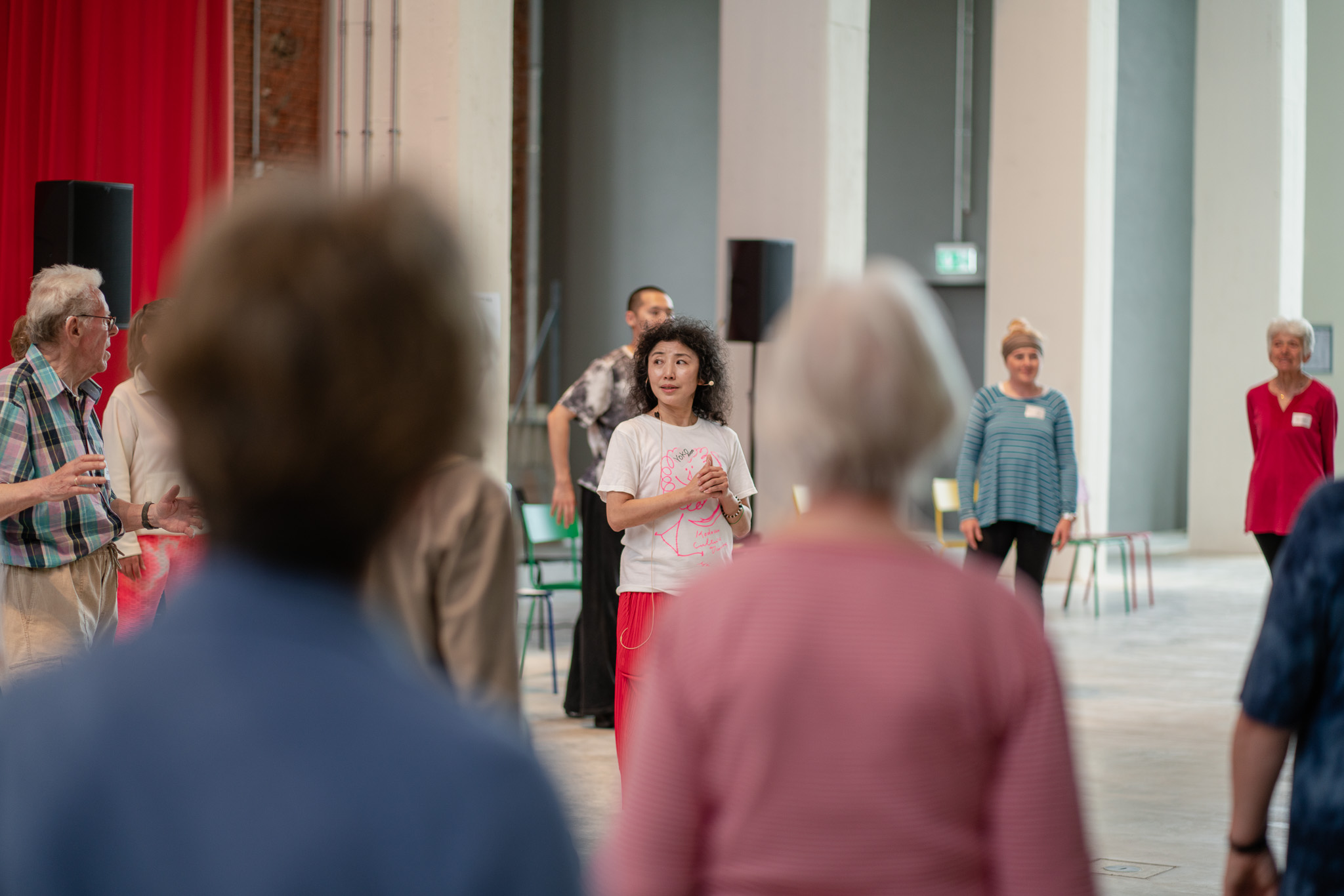
With "Dancing Neighbours" , Team Generation showed how intergenerational encounters can work through movement: Weekly dance groups, intensive courses with international guest choreographers and numerous performances got older people moving and at the same time opened up the space for young dancers to take part in performances. Around 100 older people regularly took part in the weekly course programme. An average of 35 people per week took part in the open-air course on Schillerplatz. The special feature: a low-threshold format in which nobody needed any special prior knowledge, but simply time, desire and openness. Over 20 public performances showed how well culture can contribute to keeping people active in society into old age. This project will also be continued in 2026.

But that's not all: over the course of the year, Team Generation brought an impressive variety of formats to the stage in the city and the region. Projects developed in-house, such as the record picnic, where people brought along their record treasures, which were then played by DJs for everyone, or the film series "Focus2025: Generations", in which films were shown that lovingly explored the reality of life for older people, created lively spaces for encounters. In addition, fashion and textile projects combined the tailoring skills learnt over generations from the GDR era with the curiosity of younger people interested in fashion. All of this was complemented by nine open call projects with external partners and a further seven co-operation projects.

The re:generation conference documented a lively process at the end of the Capital of Culture Year 2025. The Generation team would like to thank everyone with whom it has been able to work and grow over the past few years and looks forward to everything that can emerge from this.

European Capital of Culture The Federal Government Commissioner for Culture and Media Free State of Saxony European Capital of Culture

This project is cofinanced by tax funds on the basis of the parliamentary budget of the state of Saxony and by federal funds from the Beauftragter der Bundesregierung für Kultur und Medien (Federal Government Commissioner for Culture and Media), as well as funds from the City of Chemnitz.