Visit of a delegation from Budweis 2028

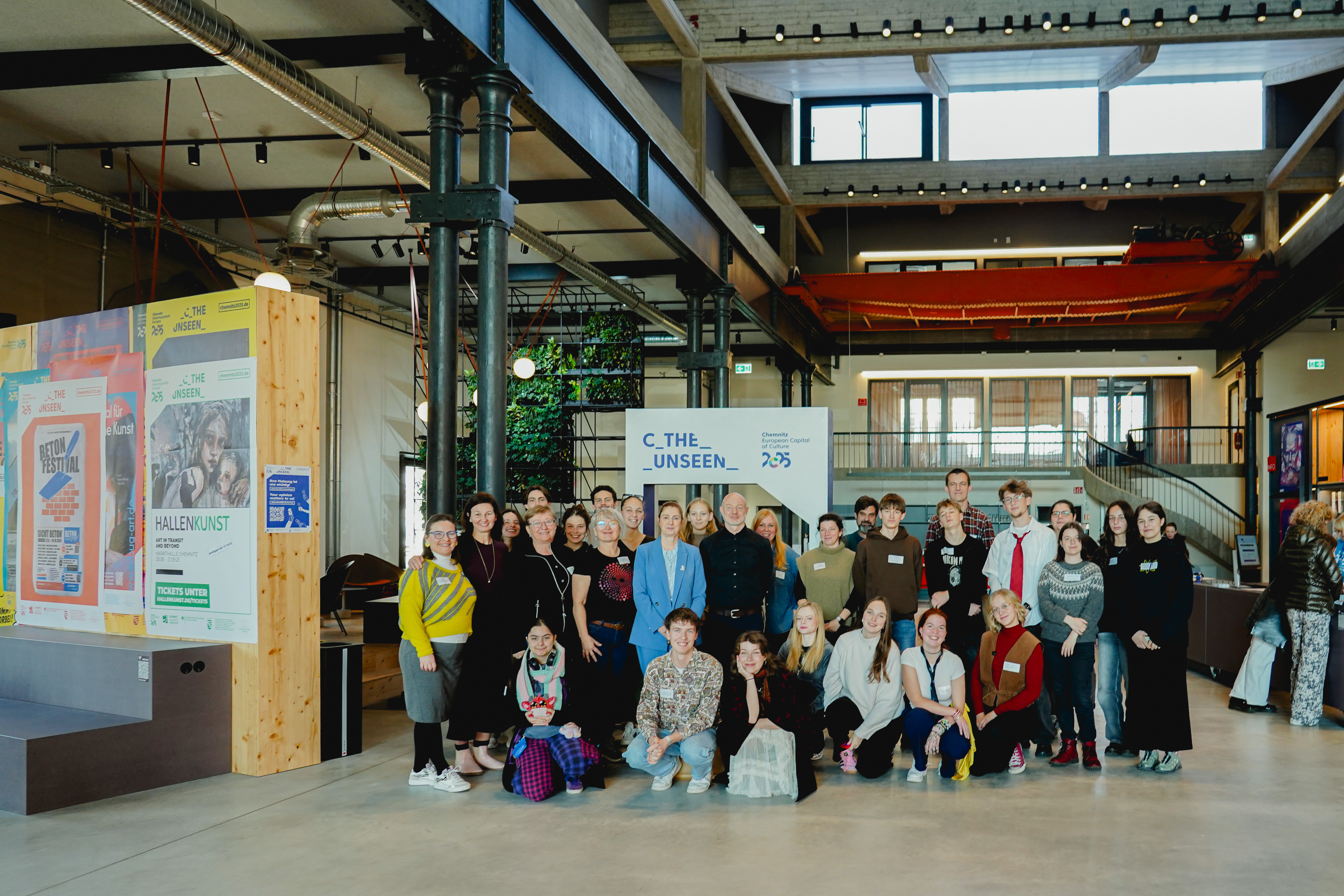
Foto: Anne Schober

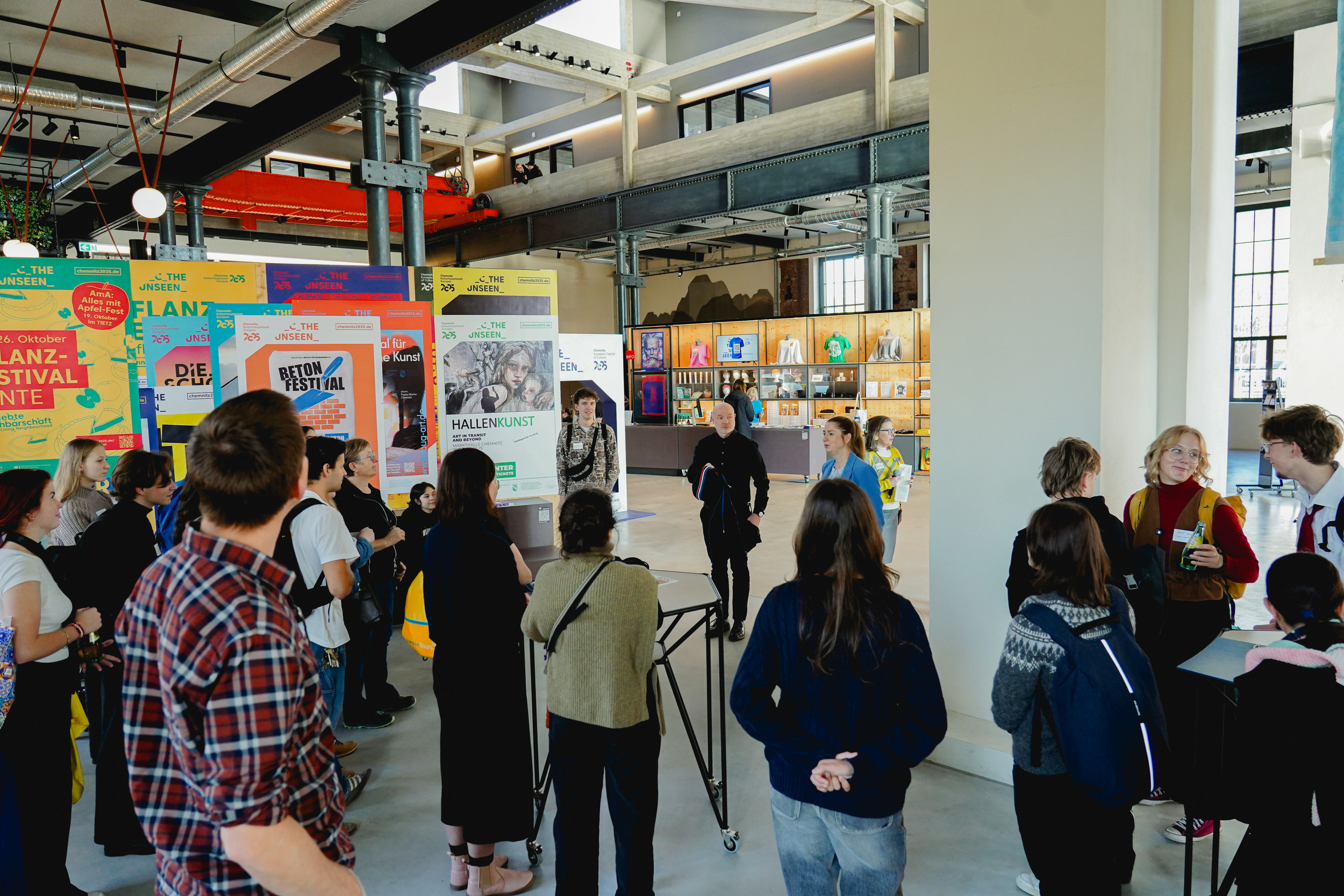
From 7 to 8 November, Chemnitz2025 gGmbH and the City of Chemnitz welcomed a delegation of around 30 people from Budweis - European Capital of Culture 2028.

The visit served to promote cultural exchange and partnership between Chemnitz and Ceske Budejovice. This visit also gave those responsible for Budweis 2028 the opportunity to be inspired by our Chemnitz Capital of Culture year for their own work.

Andrea Pier - Commercial Director and Stefan Schmidtke - Managing Director Programme as well as Lord Mayor Sven Schulze welcomed the guests on Friday.

The delegation then took part in various workshops with Chemnitz2025 project teams. The focus was on international youth work and the participation of young people.

Team Generation is organising a workshop directly for the young cultural creators from České Budějovice. Interactively and with a focus on exchange and mutual learning, questions such as "How does youth participation actually work in Chemnitz?" and "What significance does the participation of young people have in the concept of European Capitals of Culture?" will be clarified.


Saturday then began with a sporty start. Those responsible for the Capital of Culture project Dancing Neighbours invited everyone to dance together at the Volkssolidarität Chemnitz on Clausstraße. The delegation then visited the #3000Garagen exhibition and was given a guided tour of the Garage Campus.

A trip to the Capital of Culture region was also on the agenda. In Zwönitz, Lößnitz, Aue-Bad Schlema and Schneeberg, they visited the local PURPLE PATH artworks - including "The Universe in a Pearl" by Rebecca Horn and "Stack" by Tony Cragg. Through discussions with actors from the cultural region, the guests had the opportunity to familiarise themselves with the facets of regional cultural work.

European Capital of Culture The Federal Government Commissioner for Culture and Media Free State of Saxony European Capital of Culture

This project is cofinanced by tax funds on the basis of the parliamentary budget of the state of Saxony and by federal funds from the Beauftragter der Bundesregierung für Kultur und Medien (Federal Government Commissioner for Culture and Media), as well as funds from the City of Chemnitz.